
Burnaby Home Recommendations from a Burnaby Realtor

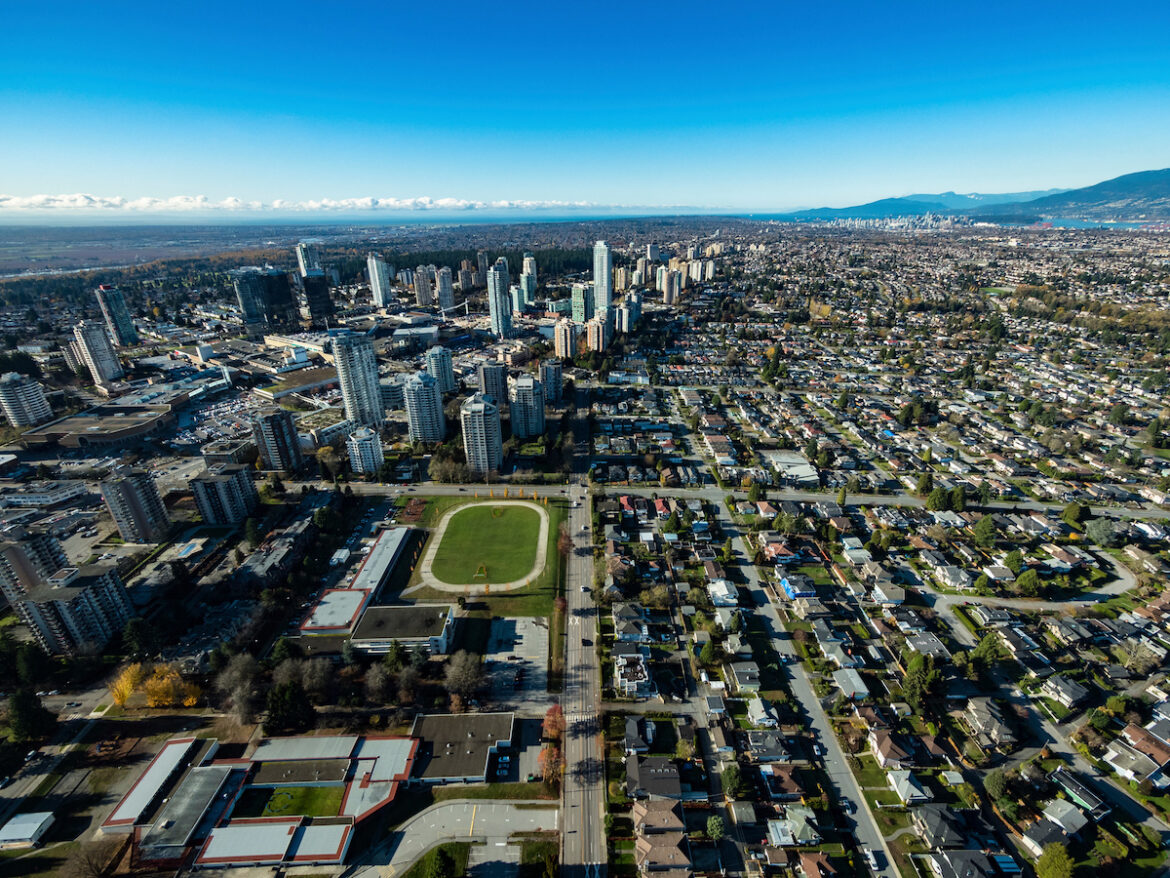
The vibrant city of Burnaby, nestled between the bustling urban center of Vancouver and the serene mountains of the North Shore, has seen its real estate market thrive in recent years. As a professional Burnaby realtor with years of experience navigating this dynamic market, I have gained valuable insights into the best homes and neighborhoods that this city has to offer. In this comprehensive guide, I will share my top home recommendations and provide essential advice to help potential buyers make informed decisions when investing in Burnaby’s real estate.

Understanding the Burnaby Housing Market

Burnaby’s housing market is diverse, offering a wide range of options for potential buyers. In recent years, we have seen a steady increase in demand, driven by the city’s strategic location, robust economy, and array of amenities. As a Burnaby realtor, I have observed the trends and shifts in the market, equipping me with the knowledge to guide buyers towards the best investment opportunities.

The Driving Factors

The appeal of Burnaby lies in its unique blend of urban convenience and natural beauty. With its proximity to downtown Vancouver, residents enjoy easy access to a world-class city while being surrounded by parks, lakes, and mountains. The availability of jobs, particularly in the technology and entertainment sectors, adds to its attractiveness. Furthermore, Burnaby’s diverse neighborhoods each offer a unique living experience, catering to a variety of preferences and lifestyles.

Neighborhood Insights

From the bustling atmosphere of Metrotown to the tranquil streets of Capitol Hill, Burnaby’s neighborhoods are as diverse as they are appealing. Metrotown stands as a commercial and residential hub, offering endless shopping and dining options. Capitol Hill, on the other hand, provides stunning views and a quieter, more residential feel. As a Burnaby realtor, I appreciate the uniqueness of each area and understand the importance of finding the right fit for my clients.

ALSO READ: Top 5 Benefits of Cantilever Racking for Canadian Retailers

Types of Homes in Burnaby

Burnaby’s real estate market encompasses a wide range of housing types, each with its own set of advantages and considerations.

Variety of Options

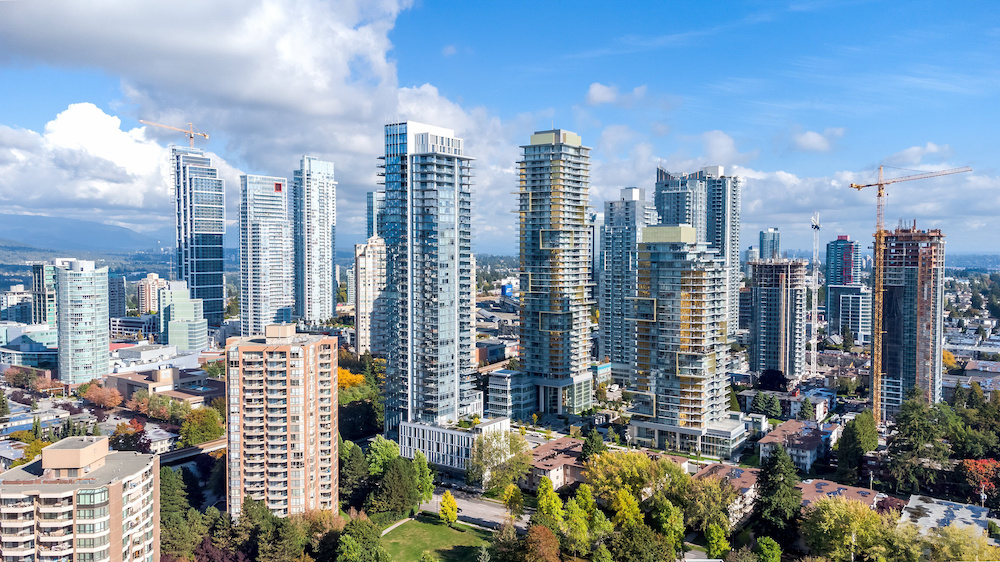
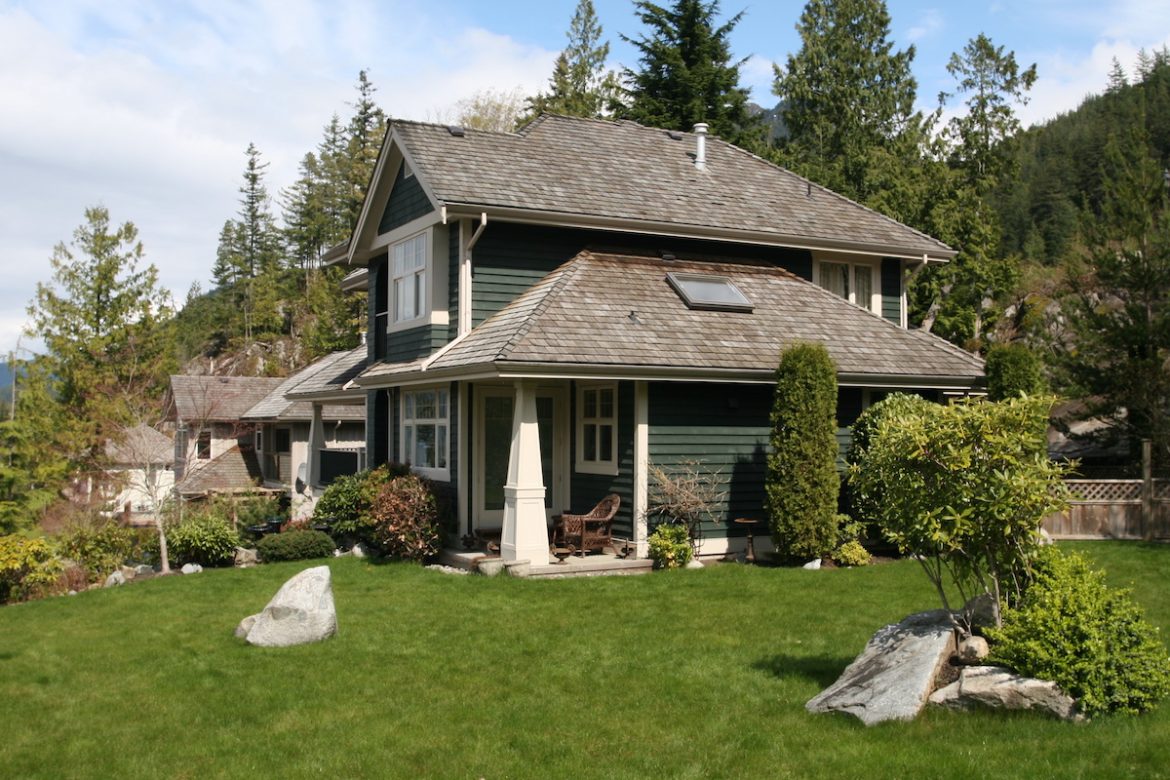
Potential buyers can choose from single-family homes, condos, townhouses, and apartments. Single-family homes offer space and privacy, ideal for families looking to put down roots. Condos and townhouses, prevalent in areas like Brentwood and Metrotown, provide a more urban living experience with the convenience of amenities and public transportation. Apartments, both for rent and purchase, offer affordability and simplicity for those seeking a more compact living space.

Pros and Cons

Each housing type comes with its own set of pros and cons. Single-family homes typically offer more space and privacy but come with higher price tags and maintenance responsibilities. Condos and townhouses provide a more affordable entry into the housing market, with added benefits of communal amenities and less maintenance. However, they also come with strata fees and less privacy. As an experienced Burnaby realtor, I ensure that my clients are aware of these factors, helping them make the right choice for their needs.

Top Recommendations for Homes in Burnaby

Based on my experience as a Burnaby realtor, I have curated a list of top home recommendations, considering factors such as location, amenities, and future growth potential.

Curated Selection

  1. Modern Condos in Brentwood: The recent development in Brentwood has brought about a surge of modern condos, offering residents luxury amenities and easy access to transit.
  2. Family Homes in Capitol Hill: For families looking for a more suburban feel, the spacious homes in Capitol Hill provide quiet streets and beautiful views.
  3. Investment Opportunities in Metrotown: As a central hub, Metrotown offers a variety of condos and apartments, presenting strong rental and resale potential.

Buying Tips

When considering these homes, pay attention to factors such as proximity to transit, potential for future development, and the overall condition of the property. Work closely with your Burnaby realtor to conduct thorough market analysis and make an informed decision.

Navigating the Home Buying Process in Burnaby

The process of buying a home can be complex, but with the right guidance, it can also be a rewarding experience.

Steps to Success

  1. Start with Research: Before diving into the market, take the time to research different neighborhoods and types of homes. Understand the current market conditions and what you can afford.
  2. Find a Trusted Burnaby Realtor: Partnering with an experienced Burnaby realtor can provide you with invaluable guidance, access to listings, and negotiation support.
  3. Secure Financing: Get pre-approved for a mortgage to understand your budget and strengthen your position as a buyer.
  4. View Homes and Make an Offer: Once you have found a home that meets your criteria, work with your Burnaby realtor to make a competitive offer.
  5. Navigate the Closing Process: From home inspections to paperwork, ensure that every step of the closing process is completed accurately and efficiently.

Working with a Realtor

Choosing the right Burnaby realtor is crucial. Look for someone with a deep understanding of the local market, a strong network of contacts, and a commitment to representing your best interests throughout the process.

Living in Burnaby: What to Expect

Burnaby offers a high quality of life, with access to a plethora of amenities, recreational opportunities, and a diverse community.

Community and Lifestyle

Residents enjoy a range of activities, from hiking and biking in the local parks to shopping and dining in the commercial centers. The sense of community is strong, with numerous events and festivals taking place throughout the year.

Local Amenities

Burnaby’s schools are highly regarded, adding to its appeal for families. Additionally, the city’s parks, libraries, and recreational facilities ensure that there is always something to do.

Conclusion

Investing in Burnaby’s real estate market offers numerous opportunities, but it requires careful consideration and informed decision-making. As a professional Burnaby realtor, I am dedicated to helping my clients find their perfect home, navigating the market’s complexities with ease and expertise. Whether you are a first-time buyer or looking to invest, Burnaby’s diverse housing market has something to offer. Reach out today to start your journey to finding your dream home in Burnaby.

Our Business Partner – Ida Federico Realtor® – Burnaby Realtor

Website: https://idafederico.com/

Phone: +16043158282

Email: info@idafederico.com

The Evolution of Building Codes in Canada: A Response to Diverse Climate Conditions

The evolution of building codes in Canada offers a fascinating look into the nation’s history and its response to the unique challenges posed by its diverse climate. From the frosty Arctic tundra to the humid coastal regions, Canada’s vast geographical expanse has necessitated the development of innovative construction techniques and materials. This article will delve into how the changing building codes reflect the adaptation to these varied conditions.

Canada’s Varied Climate and its Impact on Building

Canada, the world’s second-largest country, features a wide range of climate zones. This section can explore the different climate zones, from the mild west coast, harsh Arctic, humid east coast, to the continental prairies, and discuss how each has impacted building design, materials, and techniques over the years. We will look into the specific construction challenges each climate zone presents and how builders have adapted.

ALSO READ: Benefits of Cantilever Racking

A History of Building Codes in Canada

The history of Canadian building codes is rooted in the need for safety, efficiency, and durability. This section can walk through significant milestones in the evolution of these codes, starting from the first uniform building code in 1941 to the current National Building Code. It will also explore the impact of major disasters, technological advancements, and societal changes on these building codes.

Climate-Responsive Building Codes

This section can explore how building codes have evolved to address the challenges posed by Canada’s diverse climate. It will delve into the specific provisions that have been introduced or modified to promote resilience in the face of harsh winters, heavy rainfall, high humidity, or other regional climate conditions. The section will highlight examples of how these codes have influenced building design, materials, and techniques.

Case Studies: Building Codes in Action

To illustrate the theoretical aspects, case studies of construction projects in different climate zones can be presented. These will demonstrate how building codes have been applied and adapted to local conditions, and their impact on the building’s performance, durability, and sustainability.

ALSO READ: Realtor in Burnaby

Looking Ahead: Building Codes and Climate Change

As climate change continues to alter weather patterns and exacerbate extreme conditions, building codes need to adapt to these changes. This section can discuss recent and anticipated updates to the building codes in response to climate change. It will look at how these changes aim to promote resilience, sustainability, and energy efficiency.

Conclusion

The conclusion will summarize the key points discussed in the article, highlighting the adaptive and responsive nature of Canada’s building codes. It will reiterate the significance of these codes in shaping safe, resilient, and sustainable built environments across the diverse Canadian landscape.

Note: Each of these sections requires detailed research and potentially interviews with experts to ensure accuracy and depth. This outline provides a general framework and may need to be adjusted based on the information gathered during the research process.

Top 5 Benefits of Cantilever Racking for Canadian Retailers

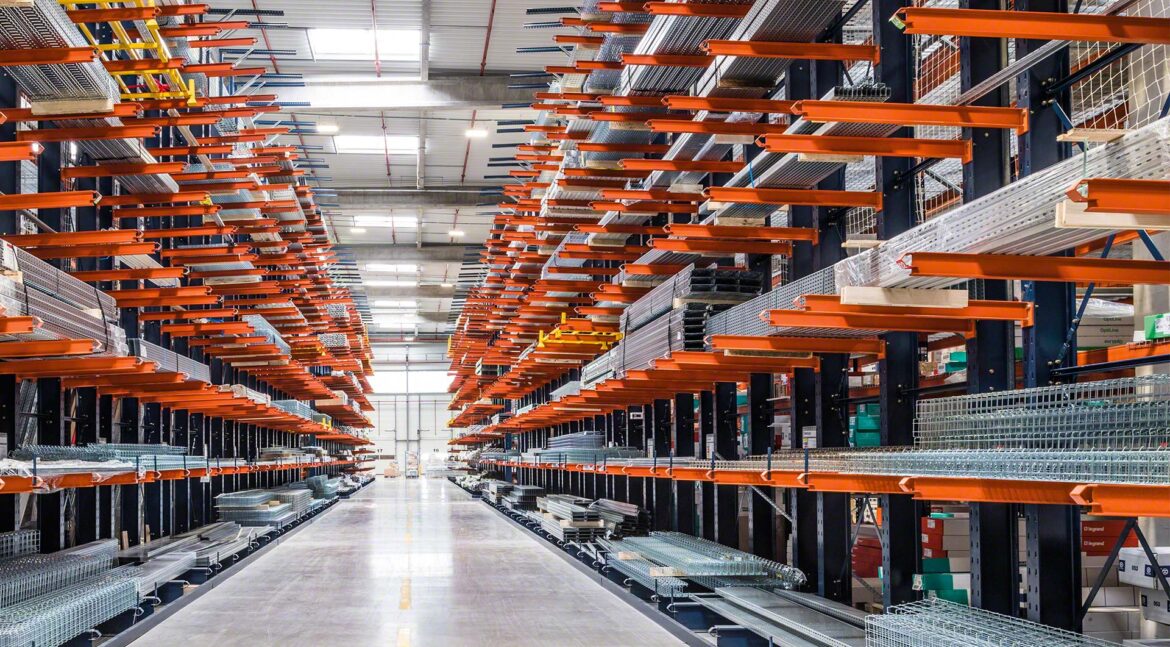
Cantilever racking is a type of storage system used by many industries, including retailers. It is designed to hold long, bulky items like lumber, pipes, and other building materials. Cantilever racking differs from traditional racking in that it has arms that extend out from a vertical column, allowing for greater flexibility in what can be stored and how it is accessed.

Efficient storage is crucial for retailers who need to maximize their available space while still making their products easily accessible to customers. A well-designed storage system can also improve productivity by reducing the time and effort required to find and retrieve items. The purpose of this article is to outline the top five benefits of cantilever racking for Canadian businesses. By understanding the advantages of this storage system, retailers can make informed decisions about how to optimize their storage space and improve their operations.

Benefit #1: Versatility and Customization

The cantilever racking’s design is built around a central vertical column with horizontal arms that extend out on one or both sides. These arms can be adjusted or removed to accommodate items of varying lengths, weights, and shapes. This flexibility allows for greater customization and organization of items compared to traditional racking systems.

Retailers can customize cantilever racking to fit their specific needs by adjusting the length and number of arms, as well as the height of the vertical column. This allows for the storage of items with varying dimensions, from long pieces of lumber to shorter boxes or containers. Additionally, accessories such as dividers, bins, or wire mesh decking can be added to the arms to further customize the storage space.

The versatility and customization of cantilever racking offer several benefits for retailers. Firstly, it allows them to maximize their storage space by utilizing vertical space effectively. Retailers can store a greater variety of items on the same racking system, reducing the need for multiple storage solutions. Secondly, customizing the racking to fit specific items can improve organization and accessibility. This can result in faster retrieval times and reduced labor costs. Finally, the flexibility of the racking system means it can be easily reconfigured as storage needs change over time. This can save retailers money in the long term by reducing the need to purchase additional storage solutions.

Benefit #2: Space Optimization

Cantilever racking is designed to maximize vertical space by utilizing the arms that extend out from the vertical column. This allows for the storage of long or bulky items that may not fit on traditional racking systems. By storing items vertically, retailers can optimize their storage space and reduce the amount of floor space required.

Traditional racking systems are limited in their ability to store long or bulky items. They typically have fixed shelving that cannot be adjusted to accommodate items of varying lengths. This can result in wasted space and inefficient use of available storage areas. Cantilever racking, on the other hand, can store items of varying lengths on the same racking system, allowing for greater space utilization.

Space optimization is crucial for retailers who need to make the most of their available storage space. By utilizing vertical space effectively, retailers can reduce the amount of floor space required for storage, freeing up more room for other purposes. Additionally, by reducing the amount of floor space required, retailers can potentially reduce their real estate costs. This can result in significant savings over time, particularly for retailers with large storage needs. By choosing cantilever racking over traditional racking systems, retailers can optimize their storage space and improve their bottom line.

Benefit #3: Accessibility and Convenience

Cantilever racking is designed to provide easy accessibility to stored items. The arms that extend out from the vertical column allow for items to be loaded and unloaded from the side, making it easier to retrieve items compared to traditional racking systems. Additionally, the absence of obstructions like shelves or cross braces makes it easier for forklifts or other machinery to access the items on the racking system.

Traditional racking systems often require items to be loaded and unloaded from the front, which can be time-consuming and inconvenient. Items may need to be moved around or removed entirely to access the item that is needed. This can result in longer retrieval times and reduced productivity. Additionally, the presence of shelves or cross braces can obstruct access to items, making it difficult for forklifts or other machinery to maneuver around the racking system.

Accessibility and convenience are essential for retailers who need to retrieve items quickly and efficiently. Cantilever racking’s design allows for easy access to items, reducing retrieval times and improving productivity. This can result in significant time and labor cost savings for retailers. Additionally, the ease of access can also reduce the risk of damage to stored items, as they can be loaded and unloaded with greater care and precision. By choosing cantilever racking over traditional racking systems, retailers can improve their accessibility and convenience, leading to increased efficiency and productivity.

READ ALSO: The Future of Construction: How Drones Are Transforming the Industry

Benefit #4: Durability and Safety

Cantilever racking is known for its sturdy construction and durability. It is typically made from heavy-duty steel, with reinforced vertical columns and arms that can support a significant amount of weight. This construction makes cantilever racking ideal for storing heavy or bulky items that may be difficult to store on traditional racking systems.

Cantilever racking also has several safety features that make it a safer storage solution than traditional racking systems. For example, the lack of obstructions like shelves or cross braces reduces the risk of collisions with forklifts or other machinery. Additionally, cantilever racking often includes safety pins that prevent arms from accidentally detaching from the vertical column, reducing the risk of injury or damage to stored items.

Durability and safety are crucial considerations for retailers who need a storage solution that can withstand heavy usage and provide a safe working environment for their employees. Cantilever racking’s sturdy construction and safety features offer several benefits in this regard. Firstly, the durability of cantilever racking means that it can withstand heavy usage over an extended period, reducing the need for repairs or replacements. Secondly, the safety features of cantilever racking can reduce the risk of accidents or injuries in the workplace, potentially reducing insurance costs and improving employee morale. By choosing cantilever racking over traditional racking systems, retailers can benefit from improved durability and safety, leading to long-term cost savings and a safer working environment.

Benefit #5: Cost-Effectiveness

Cantilever racking can offer significant cost savings to retailers. Firstly, its ability to store long or bulky items on a single racking system can reduce the need for additional storage equipment, potentially saving on equipment costs. Secondly, by optimizing vertical space, cantilever racking can reduce the amount of floor space required for storage, potentially reducing real estate costs. Additionally, its sturdy construction and safety features can reduce the need for repairs or replacements, further reducing long-term costs.

Traditional racking systems may require additional equipment to store long or bulky items, increasing equipment costs. Additionally, their fixed shelving may not be adjustable to accommodate items of varying lengths, potentially resulting in wasted space and less efficient use of available storage area. This can increase the need for additional storage equipment or real estate, resulting in higher costs.

Cost-effectiveness is a crucial consideration for retailers who need to manage their expenses while still providing adequate storage for their inventory. Cantilever racking’s ability to save on equipment costs, real estate costs, and potential repairs or replacements can result in significant cost savings over time. By choosing cantilever racking over traditional racking systems, retailers can benefit from improved cost-effectiveness, leading to long-term cost savings and a more efficient use of their resources.

Conclusion

Cantilever racking offers numerous benefits for Canadian retailers looking for an efficient and versatile storage solution. From its customizable design and space optimization to its accessibility, durability, safety features, and cost-effectiveness, cantilever racking provides a robust and efficient storage solution for retailers of all types.

If you are a Canadian retailer looking for a storage solution that can provide numerous benefits and save you money, consider cantilever racking. By choosing cantilever racking, you can optimize your storage space, improve accessibility and convenience for your employees, reduce the risk of accidents or injuries in the workplace, and potentially save on equipment, real estate, and repair costs. Contact a trusted supplier of cantilever racking in Canada to learn more about how it can benefit your business.

The Future of Construction: How Drones Are Transforming the Industry

Drones are changing the landscape of many industries, and construction is no exception. Drones are being used more and more in construction to improve safety, accuracy, and efficiency. In this blog post, we will explore how drones are being used in construction and why they are so useful. We will also discuss the dangers of construction drones and how research is changing the way we use them. Finally, we will take a look at how drones and drone services in Canada are changing the face of our cities.

Drones in construction: How they’re being used and why they’re useful

Construction sites are often dangerous environments to work in, but drones are being used increasingly to improve safety and accuracy. Drones can be used for surveying or inspecting hard-to-reach areas such as rooftops or tall scaffolding, reducing the need for workers to take risks on difficult terrain. They can also be used to inspect materials, helping to ensure the quality of construction projects. Drones are also being used for more advanced tasks, such as 3D mapping and thermal imaging, allowing faster and more accurate surveying than ever before.

The dangers of construction drones must also be taken into consideration. While they can provide immense benefits, they can also pose a potential risk if not operated properly or if they malfunction. Regulations and training should be in place to ensure the safety of workers, as well as those nearby such as pedestrians.

Research is also changing the way drones are used in construction. Drones are being used for more specific tasks like monitoring soil conditions or detecting leaks in a building’s roofing system. This research is making these tasks easier and more accurate, resulting in better safety and accuracy for construction sites.

Finally, drones are also changing the landscape of our cities. They can be used to create 3D models of existing structures or new projects such as bridges or skyscrapers, allowing developers to get a better understanding of their design before they start construction. As drones become more widely used in the industry, they will continue to improve accuracy, cost-effectiveness, and safety on projects of all sizes.

Drones are quickly becoming an invaluable tool for construction sites across the world. From improving safety to providing more accurate surveying and 3D mapping, drones are transforming the industry and helping to create better, smarter cities. While there are some potential dangers to consider, the use of drones in construction can be incredibly beneficial and will only continue to become more powerful as research advances.

With their many uses, drones are revolutionizing the way we build our cities and creating a brighter future for construction projects everywhere.

How drones are being used in construction

Construction sites are notoriously dangerous places to work. Every year, thousands of workers are injured or killed in accidents, many of which could have been prevented with better safety protocols. One way that construction companies are looking to improve safety is by using drones. Drones can be used to inspect potential hazards, such as loose scaffolding or cracks in buildings, before workers arrive on site. They can also be used to provide a bird’s eye view of the construction site, which can help managers to spot potential hazards and direct workers around them. In addition, drones can be used to deliver materials to hard-to-reach areas, reducing the need for workers to climb scaffolding or operate dangerous machinery. As drones become more sophisticated, it is likely that their use in construction will increase, helping to make construction sites safer for everyone involved.

The dangers of construction drones

As the use of drones becomes more widespread, there is an increasing risk that they will be used for illegal purposes. One of the most significant dangers posed by drones is their potential to be used in terrorist attacks. Drones can be equipped with explosives and flown into crowded areas, causing mass casualties. In addition, drones can be used to smuggle contraband into prisons or to drop drugs into public spaces. Another potential danger is that drones could be used to spy on people or to conduct cyberattacks. As technology advances, it is becoming increasingly easy to purchase and operate a drone, making it essential to put regulations in place to prevent its misuse.

How Drone research is changing construction site analysis

Construction sites are constantly changing, making it difficult to get an accurate overview of the project. In the past, construction companies would have to rely on workers to provide regular updates on progress, which often led to delays and discrepancies. However, recent advances in drone technology are beginning to change the way construction sites are monitored. By using drones to capture detailed imagery of the site, construction managers can get a real-time picture of what is happening on the ground. This information can be used to improve safety, optimize resources, and track progress. In addition, drones can be used to inspect hard-to-reach areas, identify potential risks, and verify that work is being carried out according to plan. As drone technology continues to evolve, it is likely that even more applications will be found for construction site analysis.

How construction drones are changing the landscape of our cities

The skyline of any city is always changing. New buildings go up and old ones come down. But the process of construction has remained largely unchanged for centuries. That is until now. Construction drones are starting to revolutionize the way that buildings are made. By autonomously flying to specific locations and performing precise tasks, construction drones can speed up the construction process while also reducing costs. In addition, construction drones can be used to construct buildings in difficult-to-reach places, such as on top of skyscrapers or in remote areas. As a result, construction drones are changing the landscape of our cities in a way that was once unthinkable.

The use of drones in construction is an emerging technology that has the potential to revolutionize the industry. Drones can be used to inspect potential hazards, provide a bird’s eye view of sites, deliver materials, and conduct research. They can also reduce costs, speed up construction processes, and improve safety for workers. However, there are some

Searching for a Realtor in Burnaby? Here’s What You Need to Know

Are you in the market for a new home in Burnaby? If so, it’s important to choose the right Realtor to help you through the process. There are many factors to consider when choosing a Realtor, such as their experience, area of expertise, and client reviews. In this blog post, we will discuss what you need to know when searching for a Realtor in Burnaby. We’ll also provide tips on how to choose the right one for you and what benefits you can expect from working with a local Burnaby Realtor.

What to look for in a Burnaby Realtor

When searching for a Realtor in Burnaby, it’s important to consider their experience and area of expertise. You’ll want to choose a Realtor who is familiar with the local market and has a proven track record of helping clients buy or sell homes successfully. It’s also helpful to read online reviews from past clients to get an idea of what it’s like to work with the Realtor.

In addition to their experience and expertise, you’ll also want to consider the Realtor’s personality and communication style. It’s important to choose someone you feel comfortable working with and who you can trust to give you honest advice throughout the home buying or selling process.

How to choose the right Realtor for you

When you’re ready to buy or sell a home, it’s important to choose a Realtor that you can trust. After all, your Realtor will be responsible for helping you find the right property, negotiating the best price, and managing the paperwork. So how do you choose the right Realtor for you? Here are a few tips:

  • First, ask around. Talk to your friends, family, and neighbours to see if they have any recommendations.
  • Second, interview multiple Realtors. Ask them about their experience, their success rate, and their approach to buying or selling a home.
  • Third, make sure you’re comfortable with your Realtor. You should feel confident that they have your best interests at heart and that they’re looking out for your best interests.

By following these tips, you can be sure that you’ll find the right Realtor for you.

The benefits of working with a Burnaby Realtor

There are many benefits to working with a local Burnaby Realtor. They will be familiar with the local market and can help you find the right home for your needs. They can also provide guidance on pricing, negotiation, and other important aspects of the home buying or selling process.

Another benefit of working with a Burnaby Realtor is that they can help you connect with other local resources, such as mortgage brokers, home inspectors, and real estate lawyers. This can be extremely helpful if you’re new to the area or don’t have a lot of experience with the home buying or selling process.

ALSO READ: Building Your Dream Home in Canada: The Top Trends, Builders, and Tips

How to prepare for your home purchase or sale

If you’re planning on buying or selling a home in Burnaby, there are a few things you can do to prepare. First, it’s important to get pre-approved for a mortgage if you’re not already. This will give you a better idea of how much home you can afford and will make the home buying process much easier.

It’s also a good idea to start gathering information on homes in the area that you’re interested in. This can include online research, driving by properties, and attending open houses. The more you know about the local market, the better prepared you’ll be to make a decision when you find the right home.

What to expect during the home buying or selling process

The home buying or selling process can be stressful, but working with a qualified Burnaby Realtor can make it much easier. They will be able to help you navigate the process and will be there to answer any questions you have along the way.

You can expect your Realtor to help you find the right home, negotiate a fair price, and complete all the necessary paperwork. They will also be there to provide guidance and support throughout the entire process.

If you’re considering buying or selling a home in Burnaby, contact a local Realtor today. They will be able to help you through every step of the process and will ensure that you have a successful experience.

Latex Mattresses: The Sleep Solution You’ve Been Waiting For

If you’re like most people, you spend about a third of your life sleeping. That’s why it’s so important to invest in a mattress that will give you the best possible sleep. A latex mattress is a great option because it offers many benefits that other types of mattresses don’t. In this blog post, we will discuss the benefits of natural latex mattresses and how to choose the perfect one for your home in Surrey. We will also take a look at the pros and cons of this type of mattress so that you can decide if it’s right for you.

The benefits of Latex Mattresses

Latex mattresses have been gaining in popularity in recent years, and for good reason. Latex is a natural material that is extremely durable, so it can last for many years with proper care. In addition, latex is very supportive, so it can help to reduce pain and improve the quality of sleep. Latex is also a highly breathable material, so it helps to keep the body cool and comfortable during sleep. Finally, latex mattresses are generally more affordable than other types of mattresses, making them a great option for budget-conscious shoppers. With so many benefits, it’s no wonder that latex mattresses are one of the most popular types on the market today.

How natural latex mattresses can improve your sleep

Getting a good night’s sleep is essential for overall health and well-being, yet many people struggle to get enough rest. If you’re one of the millions of Americans who have trouble sleeping, it could be time to switch to a natural latex mattress. Latex mattresses are made from rubber tree sap, and they offer a number of benefits that can improve sleep quality. First, latex is extremely supportive, so it can help to alleviate back pain and other types of discomfort that can make it difficult to fall asleep. Additionally, latex is naturally cooling, so it won’t cause you to overheat during the night. And because latex mattresses are free of synthetic materials and chemicals, they’re much less likely to trigger allergies or other respiratory issues that can interfere with sleep. If you’re looking for a way to get better rest, a natural latex mattress is definitely worth considering.

How to choose the perfect latex mattress for your home in Surrey

Latex mattresses are becoming increasingly popular, thanks to their many benefits. They are durable, comfortable, and offer superior support for the spine. However, with so many options on the market, it can be tough to know which one is right for you. Here are a few factors to keep in mind when choosing a latex mattress for your home in Surrey:

  1. First, consider the size of your bed. Latex mattresses are available in a range of sizes, from twin to king. Make sure to choose a size that will comfortably fit your bed frame.
  2. Next, think about firmness. Latex mattresses range from very soft to very firm. Choose a firmness level that will be comfortable for you and provide the support you need.
  3. Finally, consider the price. Latex mattresses can vary significantly in price, depending on the size, firmness, and materials used. Set a budget before you start shopping, so you can narrow down your options.

By keeping these factors in mind, you can be sure to find the perfect latex mattress for your home in Surrey.

How natural latex mattresses are different from other types of mattresses

Latex mattresses are quickly gaining popularity due to their many benefits. Unlike other types of mattresses, latex mattresses are designed to contour to your body, providing support and preventing pain. In addition, latex mattresses are extremely durable and long-lasting, so you won’t have to replace yours as often. Finally, latex mattresses are made from natural materials, so they are more eco-friendly than other types of mattresses. If you are looking for a mattress that will provide you with comfort and support for years to come, a latex mattress is a great option.

Also read: Building Your Dream Home in Canada: The Top Trends, Builders, and Tips

Building Your Dream Home in Canada: The Top Trends, Builders, and Tips

If you’re dreaming of building your perfect home in Canada, you’re not alone! Home building is a popular trend in our country, and there are plenty of things to know before you get started. In this blog post, we’ll talk about the top trends in home building for 2022, the top builders in Canada, and some tips to make the process go as smoothly as possible. So whether you’re just starting to think about building your dream home or you’re already in the planning stages, read on for information that will help make your project a success!

Building your dream home in Canada: what to know before you start

Building your dream home is an exciting proposition, but it’s important to do your research before you get started. The first step is to find a reputable builder who has experience constructing homes in Canada. Once you’ve found a builder you can trust, the next step is to obtain the necessary permits. In Canada, building permits are required for all new construction projects, and failure to obtain a permit can result in significant fines. Once you’ve obtained the necessary permits, you’ll need to purchase building materials. Fortunately, there are many great lumberyards and hardware stores in Canada that sell high-quality materials at competitive prices. Once you’ve gathered all the necessary supplies, you’re ready to start construction on your dream home.

The top home building trends in Canada for 2022

As we move into 2022, we’re already seeing some great home building trends emerging in Canada. One of the biggest trends we’re seeing is a focus on energy-efficiency. With concerns about climate change and the increasing cost of energy, more and more homeowners are looking for ways to reduce their impact on the environment. As a result, we’re seeing a increase in the use of sustainable materials and energy-efficient appliances. Another big trend we’re seeing is a move towards more open and flexible floor plans. Homeowners are increasingly wanting spaces that can be easily adapted to their changing needs. As a result, we’re seeing more homes with multiple living areas and flexible room dividers. And finally, we’re seeing a rise in the popularity of smart home technology. Homeowners are looking for ways to make their lives easier and more efficient, and smart home devices are a great way to do that. So if you’re thinking about building a new home in Canada, keep these trends in mind. They’ll help you create a space that’s both beautiful and functional.

The top 5 home builders in Canada

Homebuilding is a huge industry in Canada, worth billions of dollars every year. There are many different home builders to choose from, but some are definitely better than others. Here are the five best home builders in Canada, based on quality, value, and customer satisfaction:

  1. Minto Group
  2. Mattamy Homes
  3. Canadelux Homes
  4. Momentous homes 
  5. Tridel Corporation

These builders are all leaders in the industry, offering high-quality homes at competitive prices. They also have excellent reputations for customer service, which is essential when you’re making such a big purchase. When you’re ready to buy a new home, be sure to check out these top builders in Canada.

Tips for building a home in Canada

Building a home in Canada can be a rewarding and exciting experience. However, there are a few things to keep in mind in order to ensure the process goes smoothly.

First, it is important to be aware of the local climate. Building materials and methods that work well in one region may not be suitable for another. For example, homes in coastal areas need to be able to withstand high winds, while homes in northern regions need to be designed to deal with heavy snowfall.

Second, it is important to get familiar with the building code. The building code sets out minimum standards for things like structural integrity, fire safety, and energy efficiency.

Third, it is important to choose a reputable builder. A good builder will have experience building homes in your region and will be familiar with the local building code. By following these tips, you can help ensure that your homebuilding project in Canada is a success.

The Best Vinyl Floors for Your Home: Pros, Cons, and How to Maintain

When it comes time to renovate your home, there are a lot of decisions to make. One of the most important is what type of flooring you want. There are many types of flooring available on the market today, from tile and hardwood to laminate and vinyl. So which one should you choose for your home? In this blog post, we will discuss the benefits of vinyl flooring and why it may be the best choice for your home renovation project.

The Best Vinyl Floors for a Home

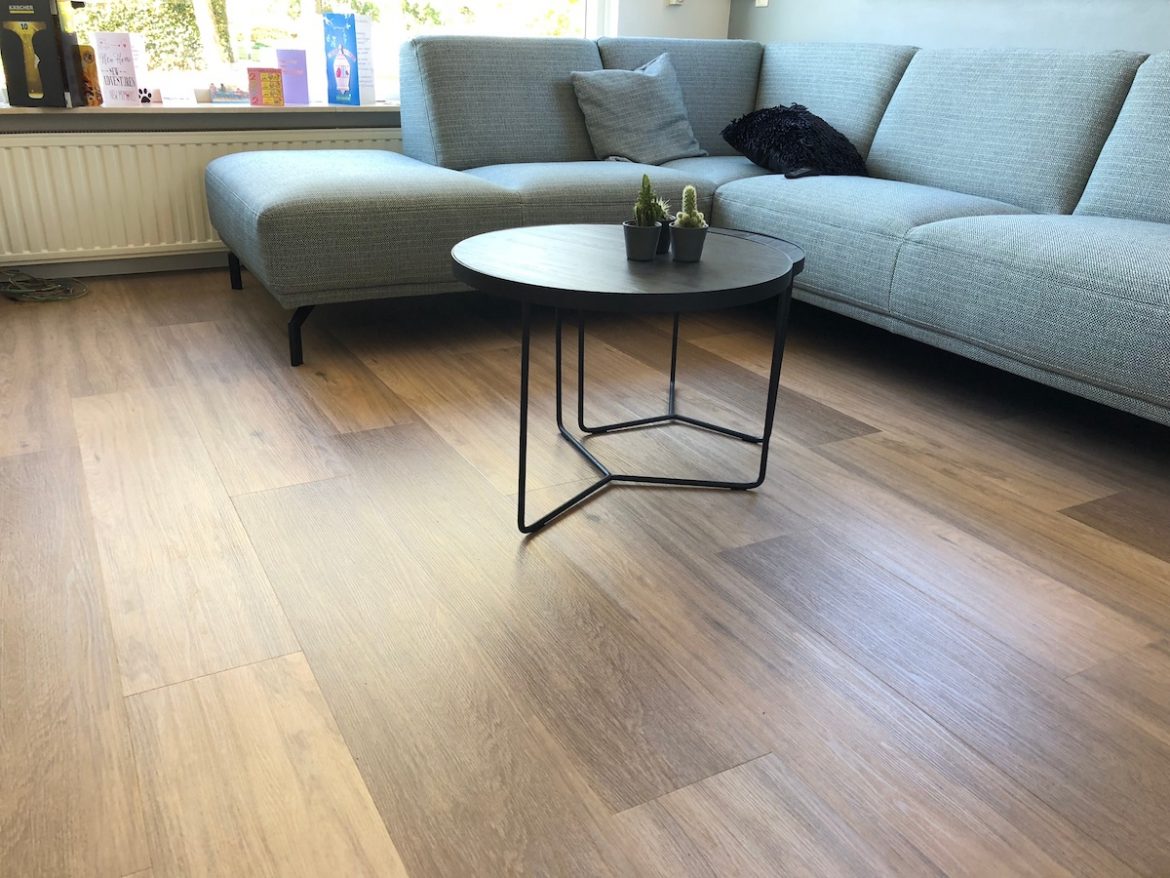
Vinyl flooring is a great choice for your home for a number of reasons. First, it is very durable and easy to maintain. Vinyl floors are also waterproof, which makes them ideal for areas such as kitchens and bathrooms where spills are common. Additionally, vinyl flooring is available in a variety of colors and styles to match any home décor.

Another advantage of vinyl flooring is that it is relatively inexpensive compared to other types of flooring. However, one downside of vinyl floors is that they can be easily damaged by sharp objects or high heels. Additionally, vinyl floors may not be as comfortable to walk on as other types of flooring such as carpet or hardwood.

If you are considering vinyl flooring for your home, be sure to read our blog post on the pros and cons of vinyl floors. We will help you decide if this type of flooring is right for your home renovation project.

How to Clean and Maintain Your New Vinyl Floor

Once you have installed your new vinyl floor, it is important to know how to properly care for it. Here are some tips on how to clean and maintain your vinyl floor:

  • Sweep or vacuum your vinyl floor regularly to remove dirt and debris.
  • Use a damp mop or cloth to clean your floor, being careful not to soak the surface.
  • Avoid using harsh chemicals or cleaners on your vinyl floor as this can damage the surface.
  • If you spill something on your vinyl floor, be sure to clean it up immediately.

Following these simple tips will help keep your vinyl floor looking like new for years to come. Thanks for reading! We hope this blog post has been helpful in deciding if vinyl flooring is right for your home.

Vinyl Flooring: The Pros and Cons

As with any type of flooring, there are both pros and cons to vinyl floors. Here are some of the most important things to consider if you are thinking about vinyl flooring for your home:

Pros:

  • Vinyl floors are very durable and easy to maintain.
  • Vinyl floors are waterproof, making them ideal for kitchens and bathrooms.
  • Vinyl floors come in a variety of colors and styles to match any home décor.
  • Vinyl flooring is relatively inexpensive compared to other types of flooring.

Cons:

  • Vinyl floors can be easily damaged by sharp objects or high heels.
  • Vinyl floors may not be as comfortable to walk on as other types of flooring such as carpet or hardwood.
  • Vinyl floors can be difficult to repair if they are damaged.

Now that you know the pros and cons of vinyl floors, you can decide if this type of flooring is right for your home. Thanks for reading!

History of vinyl flooring

Vinyl flooring has been around for centuries, with the first records of its use dating back to the early 1800s. Initially, it was used as a cheap and durable material for covering floors and walls in commercial settings.

Over time, vinyl flooring became increasingly popular in residential homes thanks to its easy installation and low maintenance requirements.

Today, vinyl flooring is available in a wide range of colors and styles, making it a popular choice for homeowners who want to add a touch of personality to their floors. Whether you’re looking for a classic wood-look or something more modern, vinyl flooring is a great option that is sure to give your home a stylish update.

Building Design Trends in Canada

If you’re in the process of building a new home, or even if you’re just remodeling your old one, it’s important to stay up-to-date on the latest trends. In this blog post, we’ll discuss some of the most popular building design trends in Canada right now. We’ll also give you tips on how to make your home more sustainable, and show you some features that are popular in newly built homes. So whether you’re just starting out on your home-building journey, or you’re already well underway, be sure to read this post!

Building design trends that are popular in Canada

As we all become more aware of the environment and our impact on it, sustainable design has become a hot topic in the world of homebuilding. If you’re looking to build a home that will stand the test of time, both aesthetically and environmentally, here are five ways to make it happen:

  • Use sustainable materials: This is perhaps the most obvious way to make your home more sustainable. When selecting materials for your home, opt for those that are renewable or recycled. For example, bamboo is a great choice for flooring or cabinetry, and recycled glass can be used in a variety of ways, from countertops to backsplashes.
  • Install energy-efficient windows: Windows are one of the main sources of heat loss in a home, so it’s important to choose ones that will insulate your home against the cold. Energy-efficient windows are a great way to do this, and they can also help you save money on your energy bills.
  • Choose solar power: Solar power is becoming increasingly popular as a sustainable and environmentally friendly option for powering homes. If you’re interested in installing solar panels, be sure to speak with a professional about the best way to do it for your home.
  • Install a green roof: A green roof is a great way to reduce your home’s environmental impact. Green roofs are covered with vegetation, which helps to insulate the house and keep it cool in the summer. They also help to filter rainwater and reduce noise pollution.
  • Add some greenery: Plants not only add beauty to your home, but they can also help to purify the air and improve your indoor air quality. If you’re looking for ways to make your home more sustainable, adding some greenery is a great place to start.

These are just a few of the many ways you can make your home more sustainable. For more ideas, be sure to speak with a professional builder or designer.

The top features of newly built homes in Canada

Newly built homes in Canada are becoming more and more popular, and it’s easy to see why. These homes are packed with features that buyers love, from energy-efficient windows to solar power systems. If you’re thinking about building a new home, be sure to keep these features in mind:

Energy-efficient windows: As we mentioned before, energy-efficient windows are a great way to save money on your energy bills. They can also help to keep your home warm in the winter and cool in the summer.

Solar power: Solar power is an environmentally friendly way to power your home, and it’s becoming more and more popular in newly built homes. If you’re interested in solar power, be sure to speak with a professional about the best way to install it for your home.

Green roof: A green roof is a great way to reduce your home’s impact on the environment. Green roofs help to insulate homes and keep them cool in the summer, and they also help to filter rainwater and reduce noise pollution.

Indoor air quality: Indoor air quality is an important consideration for any home, but it’s especially important in newly built homes. Be sure to choose materials that will help improve the air quality in your home, such as low-VOC paints and formaldehyde-free insulation.

These are just a few of the many features that you’ll find in newly built homes in Canada. For more ideas, be sure to speak with a professional builder or designer.

Trending built homes in 2022 in Canada

In 2022, the top trending built homes in Canada are anticipated to be smaller in size with more energy-efficient features. In response to the housing crisis and increased awareness of environmental issues, many people are downsizing and simplifying their lives. As a result, demand is high for quality-built smaller homes that are easy to maintain and heat efficiently. In addition, features such as rainwater harvesting and solar panels are becoming increasingly popular among homebuyers. As we become more conscious of the need to protect our planet, sustainable living is likely to become even more mainstream in the years to come. So if you’re thinking of building a new home in 2022, consider doing your research and planning ahead to ensure that your home will be on trend.

Most Iconic Canadian Buildings: Interesting Facts and Pictures

Canada is a land of many iconic landmarks, including some truly impressive buildings. From the opulent Parliament Buildings in Ottawa to the world’s tallest free-standing structure, the CN Tower in Toronto, Canada has no shortage of architectural wonders. In this blog post, we will take a look at 10 of the most iconic Canadian buildings and explore some interesting facts about them. We will also include pictures of these beautiful structures!

What are the top 10 most iconic Canadian buildings?

  1. The Canadian Broadcasting Centre in Toronto is an iconic Canadian building.
  2. The former Sears Canada Building in Toronto is another iconic Canadian building.
  3. The Bank of Montreal Building in Toronto is also an iconic Canadian building.
  4. The Cathedral Church of St. James in Toronto is another iconic Canadian building.
  5. The Royal Ontario Museum in Toronto is also an iconic Canadian building.
  6. The Art Gallery of Ontario in Toronto is also an iconic Canadian building.
  7. The Elgin and Winter Garden Theatres in Toronto are also iconic Canadian buildings.
  8. The Casa Loma in Toronto is also an iconic Canadian building.
  9. Niagara Falls is also an iconic Canadian building.
  10. The CN Tower in Toronto is also an iconic Canadian building.

9 interesting facts about buildings in Canada

Did you know that Canada is home to some of the tallest, most unique buildings in the world? Here are 10 interesting facts about Canadian buildings that you may not know:

  1. The CN Tower in Toronto is the tallest free-standing structure in the Western Hemisphere. Standing at 553 metres (1,815 feet), it was completed in 1976 and was used as a communications and observation tower. 
  2. The Bank of Montreal building in Toronto is the oldest bank building in Canada. It was built in 1845 and is still in use today! 
  3. The Dominion Public Building in Vancouver is the largest terra cotta building in North America. Completed in 1910, it was originally used as a post office and courthouse. 
  4. The Parliament Buildings in Ottawa are some of the oldest Parliamentary buildings in the world. They were completed in 1866 and have been home to Canada’s government ever since. 
  5. The Stampede Corral in Calgary is the largest indoor rodeo arena in the world. It was built in 1950 and can accommodate up to 12,000 people. 
  6. The second tallest freestanding structure in the world is located in Toronto. The CN Tower stands at 553 metres (1,815 feet) and was completed in 1976. It remains an important part of the city’s skyline. 
  7. Calgary is home to a number of unique buildings, including the Calgary Tower and the Peace Bridge. The Calgary Tower offers stunning views of the city from its observation deck, while the Peace Bridge is a pedestrian bridge that spans the Bow River. 
  8. One of the most photographed landmarks in Vancouver is the Lion’s Gate Bridge. The suspension bridge was completed in 1938 and crosses Vancouver Harbour, connecting the city to North Vancouver. 
  9. Saskatoon’s Broadway Theatre is one of the most popular performing arts venues in Saskatchewan. The theatre opened its doors in 1928.

3 most beautiful buildings in Canada

When it comes to beautiful buildings, Canada is home to some truly stunning architectural masterpieces. From towering skyscrapers to elegant cathedrals, there are countless treasures that adorn the Canadian landscape. Here, we will look at three of the most awe-inspiring buildings in the country:

1. The CN Tower in Toronto is an impressive architectural marvel that dominates the skyline and draws visitors from around the world. Standing at over 1,800 feet tall, it is both an engineering masterpiece and a work of art in its own right.

2. St. Paul’s Basilica in Ottawa is a stunning example of Gothic architecture and one of the city’s most well-known landmarks. This iconic cathedral features soaring spires, intricate carvings, and beautifully sculpted stained glass windows.

3. The Louvre Museum in Montreal is widely regarded as one of the finest art museums in the world. Its famed glass pyramid looms large over downtown Montreal and inspires travellers from all walks of life to come and explore its breathtaking collection of artistic masterpieces.

Ghost Buildings in Canada: The Stories Behind Them

There are many ghost buildings in Canada, each with its own unique story. One of the most famous is the Halifax Infirmary, which was built in 1868 and served as a hospital until it was decommissioned in 1998. The building is said to be haunted by the ghost of a young nurse who died in a fire there in 1922. Another well-known ghost building is the Fairmont Empress Hotel in Victoria, British Columbia. The hotel is said to be haunted by the spirit of a young woman named Emily who committed suicide there in the early 20th century. These are just two of the many ghost buildings in Canada, each with its own fascinating story.