How to Transport Heavy or Specialized Vehicles Safely Across British Columbia

British Columbia is one of the most beautiful provinces in Canada, but it also presents some of the most demanding driving conditions. Mountain passes, steep grades, winding highways, changing weather, and long travel distances make moving heavy or specialized vehicles far more complicated than transporting a standard passenger car.

Whether you need to relocate construction equipment, move a classic vehicle to a car show, transport an RV, or tow commercial machinery between job sites, careful planning is essential. The right equipment, proper loading techniques, and experienced operators help protect your investment while ensuring everyone on the road stays safe.

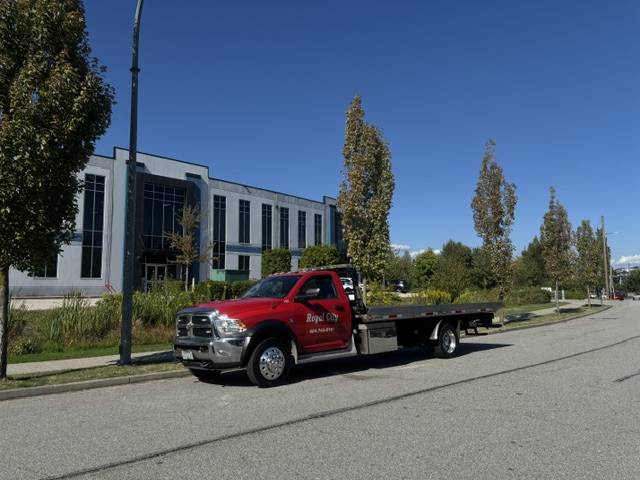
If you’re looking for trusted Burnaby towing services, Royal City Towing provides professional specialty vehicle transportation and long-distance towing throughout the Lower Mainland and across British Columbia using specialized equipment designed for safe transport.

What Counts as a Heavy or Specialized Vehicle?

Not every vehicle can be safely transported with a standard tow truck. Many require specialized towing equipment, flatbed trailers, heavy-duty wreckers, or custom loading methods.

Examples include:

  • Construction equipment
  • Forklifts
  • Scissor lifts
  • Skid steers
  • Excavators
  • Boom lifts
  • Commercial vans
  • Cube trucks
  • RVs and motorhomes
  • Buses
  • Classic and collector vehicles
  • Luxury and exotic cars
  • Electric vehicles
  • Motorcycles
  • Agricultural equipment
  • Industrial machinery

These vehicles often have unique dimensions, weight distribution, low ground clearance, or sensitive mechanical systems that require additional care during loading and transport.

When Should You Transport Instead of Drive?

Driving isn’t always the safest or most economical option.

Professional vehicle transport may be the better choice if:

  • The vehicle isn’t roadworthy.
  • The vehicle has mechanical damage.
  • You purchased a vehicle in another city.
  • You’re relocating across British Columbia.
  • The vehicle is oversized.
  • You’re transporting expensive or collectible vehicles.
  • Construction equipment needs to move between projects.
  • You’re avoiding unnecessary mileage and wear.

For businesses, every kilometre adds depreciation, fuel costs, maintenance expenses, and driver time. Long-distance towing often reduces these hidden costs while keeping equipment available when it’s needed.

Common Types of Specialty Vehicle Towing

Different vehicles require different towing methods. Choosing the wrong equipment can lead to expensive damage.

Construction Equipment

British Columbia’s construction industry relies on moving equipment between projects daily.

Commonly transported equipment includes:

  • Mini excavators
  • Skid steers
  • Compact loaders
  • Asphalt rollers
  • Small cranes
  • Compressors
  • Generators

These machines often exceed the limits of standard towing equipment and require secure tie-down systems along with experienced operators.

Classic and Luxury Vehicles

Collector vehicles deserve extra protection.

Many have:

  • Low ground clearance
  • Delicate suspension
  • Custom bodywork
  • High financial value

Flatbed towing eliminates unnecessary tire wear while reducing the risk of underbody damage.

Recreational Vehicles

Motorhomes and RVs present unique challenges due to their:

  • Height
  • Length
  • Weight
  • Extended rear overhang

Professional towing companies use equipment specifically designed to safely recover and transport large recreational vehicles.

Electric Vehicles

Electric vehicles require special handling because improper towing may damage the battery system or electric drivetrain.

Many manufacturers recommend flatbed transportation instead of traditional wheel-lift towing.

Long Distance Towing Across British Columbia

British Columbia covers a massive area. Moving a vehicle from Vancouver to Kelowna, Prince George, Kamloops, or Vancouver Island requires careful planning.

Long-distance towing is commonly used for:

  • Vehicle relocations
  • Fleet transfers
  • Auction purchases
  • Commercial equipment transport
  • Seasonal moves
  • Dealership deliveries
  • Classic car transportation

Professional operators inspect the route beforehand, considering factors such as:

  • Highway conditions
  • Bridge clearances
  • Weather forecasts
  • Vehicle dimensions
  • Weight restrictions
  • Fuel stops
  • Safe loading and unloading locations

This planning helps reduce delays while protecting your vehicle throughout the trip.

Preparing Your Vehicle Before Transport

Preparing your vehicle properly makes transportation smoother and safer.

Before pickup:

  • Remove personal belongings.
  • Secure loose accessories.
  • Fold mirrors when possible.
  • Document existing damage with photos.
  • Ensure tires are properly inflated if applicable.
  • Inform the towing company of any mechanical issues.
  • Provide accurate dimensions and weight if known.
  • Disable vehicle alarms if possible.

For commercial equipment, it’s also important to remove loose tools and attachments unless they are specifically included in the transport plan.

Driving vs Professional Long Distance Towing

FactorDriving YourselfProfessional Long Distance Towing
Vehicle wearHighNone
Fuel costsHighIncluded in service
Risk of breakdownHigherReduced
Driver fatigueSignificantNone
Mileage addedYesNo
Suitable for damaged vehiclesNoYes
Suitable for specialty vehiclesOften notYes
Insurance considerationsDriver responsibilityProfessional transport methods

For valuable vehicles or specialized equipment, professional transportation usually provides greater peace of mind.

How BC’s Terrain Changes Everything

British Columbia offers incredible scenery, but it also creates unique transportation challenges.

Drivers frequently encounter:

  • Steep mountain grades
  • Sharp curves
  • Long downhill descents
  • Narrow resource roads
  • Heavy rainfall
  • Snow-covered highways
  • Black ice during winter
  • Strong crosswinds

Routes such as the Coquihalla Highway, Sea-to-Sky Highway, and Fraser Canyon require experienced operators who understand changing road conditions.

Professional towing companies monitor weather forecasts and adjust travel plans when necessary to improve safety.

Choosing the Right Equipment

No single tow truck works for every job.

Depending on the vehicle, transport may involve:

  • Flatbed tow trucks
  • Heavy-duty wreckers
  • Wheel-lift tow trucks
  • Integrated tow trucks
  • Equipment trailers
  • Winches
  • Soft straps
  • Wheel nets
  • Air-cushion suspension trailers

Using the proper equipment reduces stress on the vehicle and helps prevent unnecessary damage during transport. Companies that provide specialty vehicle transportation invest in purpose-built equipment to safely handle everything from motorcycles to heavy machinery.

Choosing the Right Towing Company

Not every towing company specializes in heavy or specialty vehicle transport.

Before booking, consider asking:

  • Do you offer specialty vehicle towing?
  • Do you provide long-distance towing throughout BC?
  • What equipment will be used?
  • Are your operators experienced with my vehicle type?
  • Is your equipment suitable for oversized loads?
  • How is the vehicle secured during transport?
  • Can you accommodate commercial equipment?
  • Are you available 24/7 for emergency transportation?

Experience matters, particularly when transporting expensive vehicles or heavy equipment over long distances.

Safety Tips for Businesses

Businesses that regularly transport equipment can reduce downtime by planning ahead.

Helpful practices include:

  • Schedule transport in advance whenever possible.
  • Keep maintenance records current.
  • Measure oversized equipment accurately.
  • Communicate loading site conditions.
  • Prepare alternate routes during severe weather.
  • Work with one trusted transportation provider.

Reliable transportation planning helps projects stay on schedule while reducing unexpected delays.

Final Thoughts

Transporting heavy or specialized vehicles across British Columbia requires far more than attaching a tow truck and heading down the highway. Vehicle size, weight, terrain, weather, and transport distance all play important roles in ensuring a safe journey.

Whether you’re relocating construction equipment, transporting a luxury vehicle, moving an RV, or arranging long-distance towing for commercial vehicles, working with an experienced towing company helps protect your investment from pickup to delivery.

Professional specialty vehicle towing combines the right equipment, skilled operators, and careful planning to move vehicles safely across the Lower Mainland and throughout British Columbia, giving vehicle owners confidence that their equipment will arrive securely and ready for its next destination.

Modern School Design Trends Texas Districts Are Prioritizing

School facilities are evolving alongside education itself. Today’s students learn differently than previous generations, and school buildings must support a wider variety of teaching methods, technologies, and student needs. Across Texas, districts are investing in educational environments that not only improve academic outcomes but also create safer, more adaptable, and more engaging spaces for students and staff.

Rather than focusing solely on capacity, modern school planning emphasizes flexibility, long-term value, student well-being, and future readiness. As enrollment continues to grow throughout many parts of Texas, school leaders are looking for design solutions that can serve their communities for decades.

The New Role of School Facilities

Schools are no longer simply collections of classrooms connected by hallways. Today’s campuses serve as educational hubs that support academics, extracurricular activities, workforce preparation, community events, and student wellness.

Modern educational facilities are expected to:

  • Support multiple learning styles
  • Accommodate rapidly changing technology
  • Enhance student safety
  • Improve operational efficiency
  • Create opportunities for collaboration
  • Encourage community involvement
  • Adapt to future enrollment demands

As districts continue to grow throughout Texas, facility planning has become a critical part of long-term educational success.

Designing Schools for Long-Term Success

Successful school design starts with understanding how students, teachers, and communities will use a facility not just today, but years into the future.

Many districts partner with experienced educational design professionals during the early planning stages to evaluate current challenges, forecast future needs, and align facility investments with educational goals. Working with experienced K-12 architects in Texas allows districts to develop master plans that support enrollment growth, instructional priorities, bond planning initiatives, and community expectations while maximizing long-term value.

Forward-thinking planning often helps districts avoid costly renovations, operational limitations, and expensive expansions later.

Flexible Spaces Are Replacing Traditional Classrooms

One of the biggest shifts in educational architecture is the move away from rigid classroom layouts.

Traditional classrooms were designed around teacher-led instruction. Modern learning environments support collaboration, project-based learning, small-group discussions, independent work, and technology-driven activities.

Features commonly found in flexible learning environments include:

  • Movable furniture
  • Collaborative learning zones
  • Small-group breakout spaces
  • Shared learning commons
  • Multi-purpose instructional areas
  • Operable walls between classrooms

These adaptable environments allow educators to modify spaces based on lesson objectives while supporting a wider range of teaching strategies.

Technology Infrastructure Is Becoming a Design Priority

Technology is no longer an afterthought in school construction. It has become a foundational component of educational design.

Modern campuses must support:

  • High-speed wireless connectivity
  • Interactive classroom technology
  • One-to-one student device programs
  • Video conferencing capabilities
  • Cloud-based learning platforms
  • Digital security systems

Design teams now plan technology infrastructure from the earliest stages of development to ensure buildings can accommodate future upgrades without major renovations.

Creating Spaces That Support Student Well-Being

Districts are increasingly recognizing the connection between a school’s physical environment and student success.

Natural light, indoor air quality, acoustics, and access to outdoor spaces can all influence student concentration, comfort, and overall learning experiences.

Many modern schools now incorporate:

  • Large windows and daylighting strategies
  • Quiet study areas
  • Outdoor learning spaces
  • Student wellness rooms
  • Flexible seating options
  • Improved ventilation systems

These design choices help create environments where students can focus, collaborate, and perform at their best.

Expanding STEM and Career-Focused Learning Environments

Texas districts continue to invest heavily in facilities that prepare students for future careers and emerging industries.

Specialized learning environments provide opportunities for hands-on instruction that traditional classrooms often cannot accommodate.

STEM Learning Areas

  • Robotics labs
  • Engineering workshops
  • Makerspaces
  • Computer science classrooms
  • Advanced science laboratories

Career and Technical Education Facilities

  • Health science labs
  • Culinary training kitchens
  • Welding shops
  • Construction technology labs
  • Automotive learning centers
  • Digital media studios

These facilities help students gain practical experience while exploring career pathways aligned with workforce demands across Texas.

Safety Is Being Built Into Campus Design

Safety remains one of the highest priorities for school districts, parents, and educators.

Instead of adding security features after construction, modern schools integrate them directly into the design process.

Common examples include:

  • Secure visitor entry vestibules
  • Controlled access systems
  • Strategic building sightlines
  • Security camera infrastructure
  • Emergency communication systems
  • Enhanced perimeter security

The goal is to create safer learning environments while maintaining welcoming and positive campus experiences.

Sustainable Design Is Delivering Long-Term Savings

School districts are placing greater emphasis on sustainability and operational efficiency.

Many districts view sustainable design as a long-term investment that reduces operating costs while supporting environmental goals.

Feature Potential Benefit
LED Lighting Lower energy consumption
High-Efficiency HVAC Systems Reduced utility costs
Improved Insulation Better temperature control
Smart Building Controls Enhanced operational efficiency
Water Conservation Systems Lower water usage
Solar Energy Integration Reduced energy expenses

These investments can free up resources that districts can redirect toward educational programs and student services.

Schools Are Becoming Community Assets

Modern campuses are increasingly designed to serve the broader community beyond school hours.

Many districts now incorporate spaces that support:

  • Community meetings
  • Adult education programs
  • Athletic events
  • Performing arts productions
  • Public gatherings
  • Workforce development initiatives

By creating multi-purpose facilities, districts maximize the value of their investments while strengthening community relationships.

Planning for Enrollment Growth From Day One

Population growth continues to impact many Texas communities, making future expansion a major consideration during facility planning.

Rather than designing only for current enrollment levels, districts are creating campuses that can evolve over time.

Growth-focused planning often includes:

  • Reserved expansion areas
  • Flexible site layouts
  • Infrastructure sized for future capacity
  • Phased construction strategies
  • Expandable parking and transportation facilities

This proactive approach helps minimize future disruptions while reducing long-term construction costs.

Key Questions District Leaders Should Consider

Before beginning a major construction or renovation project, district leaders should evaluate several important factors:

  • Will the facility support future enrollment growth?
  • Can learning spaces adapt to evolving teaching methods?
  • Does the design support future technology needs?
  • Are safety measures fully integrated?
  • How will operational costs be managed long term?
  • Does the campus encourage community engagement?
  • Will the facility remain functional 20 to 30 years from now?

Answering these questions early can help districts make more informed planning decisions.

Looking Ahead

The future of school design in Texas extends beyond creating larger buildings or adding new classrooms. Today’s districts are focused on developing learning environments that support flexibility, innovation, safety, wellness, and long-term growth.

The most successful campuses are those designed to evolve alongside educational needs while continuing to serve students, educators, and communities for generations. By prioritizing adaptable spaces, modern technology, workforce readiness, sustainability, and strategic planning, Texas school districts can build facilities that remain valuable long into the future.

What is the Most Reliable Forklift Brand

Forklifts are the backbone of Canadian warehouses, distribution centres, and industrial facilities. Choosing a reliable forklift brand is crucial to ensure safety, minimize downtime, and control maintenance costs. With Canada’s varied climates and demanding operational environments, reliability means more than just durability — it’s about consistent performance, local service support, and total cost of ownership. This post explores the top three forklift brands trusted by Canadian operators.

Key Factors That Define Forklift Reliability in Canada

Reliability for forklifts operating in Canadian warehouses depends on several critical factors tailored to the country’s unique environment. First, equipment must perform consistently across diverse climates—from freezing winters in Manitoba to humid coastal conditions in British Columbia. According to WorkSafeBC, proper maintenance and equipment suitability are essential to workplace safety and operational efficiency.

Second, availability of replacement parts and local dealer support greatly influences uptime. The Canada Labour Code also highlights the importance of regular inspections and servicing to prevent workplace accidents.

Energy efficiency is another growing concern, with many warehouses adopting sustainable practices to meet federal and provincial climate goals. Finally, total cost of ownership—including purchase price, maintenance, and operational costs—plays a key role in determining which forklift brands offer the best reliability for Canadian operators.

The Top 3 Most Reliable Forklift Brands for Canadian Warehouses

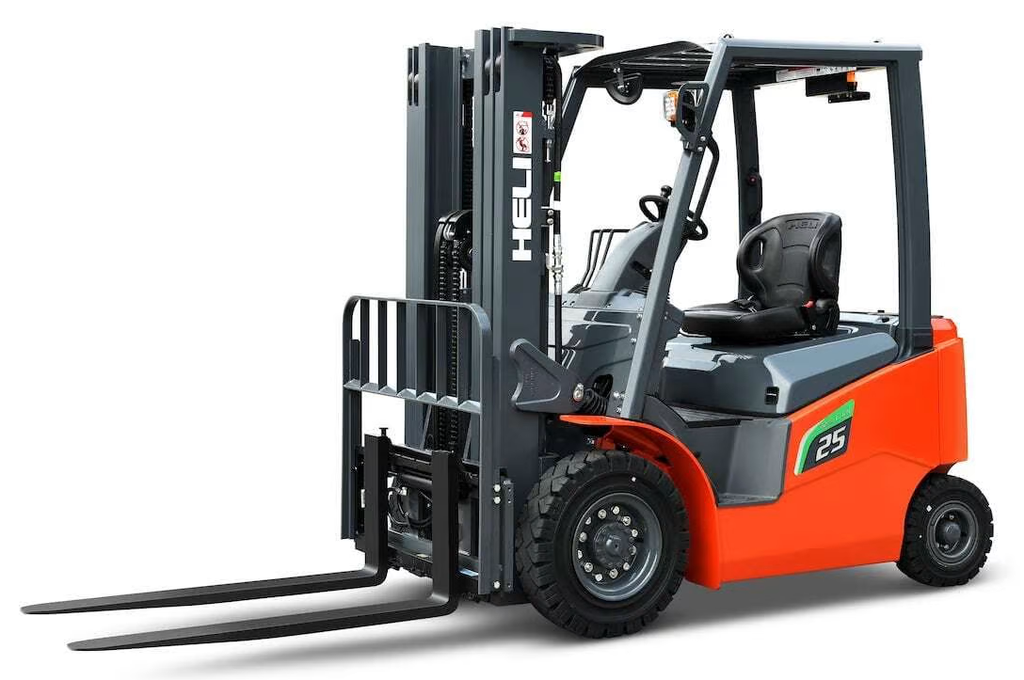
HELI Forklifts

HELI Forklifts have rapidly become one of the most trusted forklift brands among Canadian warehouse operators, thanks to their durability, performance, and cost-effectiveness. Designed to handle the wide range of climates across Canada—from the snowy winters of Alberta to the humid summers in Ontario—HELI forklifts deliver reliable power and consistent operation in demanding conditions.

One of HELI’s key advantages is its broad product range, including electric, diesel, and the increasingly popular lithium-ion battery-powered forklifts, which align well with Canada’s growing sustainability goals. These forklifts offer faster charging, longer run times, and reduced maintenance compared to traditional models, helping warehouses reduce downtime and operational costs.

Canadian operators also benefit from HELI’s expanding dealer network, which provides local parts availability and expert service support. This strong after-sales service ensures minimal disruption and keeps fleets running smoothly.

When balancing initial investment with long-term reliability and support, HELI forklifts present a compelling choice for Canadian businesses focused on efficiency, safety, and sustainability.

Toyota Forklifts

Toyota is a globally recognized leader in forklift manufacturing, known for its high-quality engineering and innovative technology. In Canada, Toyota forklifts are widely trusted for their reliability, safety features, and operator comfort, making them a popular choice across various industries including warehousing, manufacturing, and logistics.

Toyota forklifts offer several advantages that appeal to Canadian operators:

  • Advanced Safety Features: Toyota’s proprietary System of Active Stability (SAS) enhances forklift stability and reduces the risk of tip-overs, an important consideration in busy warehouse environments.
  • Operator Comfort and Ergonomics: Spacious cabins, adjustable controls, and excellent visibility reduce operator fatigue and improve productivity during long shifts.
  • Strong Dealer Network: Toyota has an extensive dealer and service network across Canada, providing easy access to parts, repairs, and maintenance support.

While Toyota forklifts often come with a higher upfront cost compared to some competitors, their longevity and robust design typically translate into lower long-term maintenance expenses and strong resale value. For Canadian businesses prioritizing safety, durability, and comprehensive support, Toyota remains a reliable and trusted forklift brand.

Crown Forklifts

Crown Forklifts are well-regarded in the Canadian warehouse market, especially for their focus on electric-powered models that are ideal for indoor operations. Known for reliability and innovative technology, Crown forklifts are a favorite in industries such as food storage, pharmaceuticals, and distribution centres where zero-emission equipment is essential.

Crown’s commitment to operator-friendly designs includes intuitive controls, excellent maneuverability, and ergonomic features that enhance productivity and reduce fatigue. Their electric forklifts also come equipped with advanced fleet management and telematics systems, allowing warehouse managers to monitor performance, optimize usage, and schedule maintenance proactively.

With a growing presence in Canada, Crown supports customers through a network of dealers providing parts and service expertise. While Crown forklifts may have a higher initial price point, their low maintenance costs and energy efficiency help lower the total cost of ownership over time. For Canadian warehouses focused on sustainability and operational efficiency, Crown is a top contender.

Why Dealer Support Is Critical in Canada

In Canada’s vast and diverse landscape, strong dealer support is essential to maintaining forklift reliability and minimizing downtime. Warehouses across provinces—from urban centres like Toronto and Vancouver to remote northern locations—depend on timely access to parts, repairs, and expert service to keep operations running smoothly.

Local dealers offer critical benefits such as:

  • Fast Parts Availability: Immediate access to replacement parts prevents costly delays and keeps fleets operational.
  • Expert Service: Technicians familiar with specific brands and Canadian regulations ensure maintenance and repairs meet safety standards.
  • Regional Knowledge: Dealers understand provincial workplace safety laws (like WorkSafeBC and Ontario Ministry of Labour requirements), helping operators stay compliant and avoid penalties.

Without reliable dealer support, forklift downtime can disrupt supply chains and increase costs. That’s why partnering with brands supported by a strong Canadian dealer network, like HELI, Toyota, and Crown, is a strategic advantage for warehouse operators.

Conclusion

Choosing a reliable forklift brand is vital for Canadian warehouses aiming to maximize productivity and safety. HELI, Toyota, and Crown each offer proven durability and strong dealer support, but HELI’s local expertise and cost-effectiveness make it the top choice for many Canadian operators seeking long-term value.

Top 5 Roof Maintenance Tips for a Greener Home

Regular inspections and frequent repairs can play a crucial role in roof maintenance, as well as in environmental sustainability, once it can reduce waste, enhance energy efficiency, and extend your roof’s lifespan. Here are some recommendations to follow if you want to have an eco-friendly home:

1. Consistent Maintenance is the Foundation of Sustainability 

Issues such as leaks, insulation gaps, structural weakness, and more, can be early and easily detected with frequent roof maintenance, which can prevent minor concerns from turning into major repairs that requests more time and money to be concluded. 

Moreover, this approach can maintain your roof conserved, reducing environmental impact by making the most from the materials and enhancing your home’s energy efficiency, once a maintained roof can regulate home temperatures, ventilation, and insulation, leading to lower utility bills and reduced footprint in atmosphere.

2. Choose Eco-Friendly Roofing Materials

If you are looking for a green solution for your roof, a metal roofing is a great option: it can last 50 to 75 years, it is made of recycled materials, and it can be recycled after its lifespan, minimizing waste production. Additionally, the metal material reflects the solar lights and bounces off the heat, impacting the use of cooling devices and, consequently, reducing energy consumption.

For residents and businesses in the Burnaby area, choosing a trusted Burnaby roofing company ensures your roofing system will be effective, contributing to both your home, your savings, and the environment.

3. Consider Local Climate Needs

When it comes to building a greener home, you should take climate needs into account very seriously: roofs are the first line of defense of your place against natural factors. Hiring a local contractor who understands suitable materials and techniques according to rain, humidity, and temperature shifts levels can lead to a minor environmental impact to your home.

In Burnaby, a city located in the Metro Vancouver area where rainfalls, mild winters, and hot summers are common, choosing resistant and adaptable materials, incorporating proper ventilation and insulation, is highly important. By choosing options like metal roofing with protective coating and torch-on roofing, you can have a roof that properly sheds water and is resistant to mold growth.

4. Keep Your Roof Clean

Dirt, debris, moss, and clogged gutters can shorten your roof’s lifespan, causing extra repairs regarding water overflow and unnecessary energy use in cases of insulation and isolation damage.

It is highly recommended to regularly clear your gutters to prevent clogs and mold, which can damage your roof’s edge and even the foundation, as well as moss and algae, that might look just as a visual issue, however, can rot and make your roof material lifespan decrease significantly.

5. Work With a Green Contractor

Eco-friendly choices can be made both regarding materials and regarding the contractor, who should not only prioritize green and recyclable materials but also take green actions at every step of your project, including methods, waste reduction, and long-term benefits.

When hiring a contractor, choose one committed to quality, durability, and environmentally-aware practices. Following this advice, you are not getting just a service — you get a sustainable partner who reduces their own and your carbon footprint.

When you choose a green company and green approaches regarding your roof maintenance, you are protecting and making your roof more efficient, as well as contributing to a healthier and greener environment.

Don’t forget: Small, however, intentional choices can lead to long-term environmental benefits.

Want to discover more building tips in Canada? Check out the top trends in residential building for Canada and start planning your next green action today.

How Building Codes Are Evolving to Create a Safer, Greener Vancouver

Building codes have long been a critical part of keeping Canadians safe, especially in cities like Vancouver, where natural beauty meets environmental challenges. From earthquake preparedness to climate resilience, building codes dictate much of what keeps our homes, offices, and public spaces safe, sustainable, and accessible. Over the years, Canada’s building codes have evolved significantly to respond to new safety standards, environmental concerns, and the need for inclusivity. In this article, we’ll dive into recent updates in Canada’s building codes with a focus on how these changes affect Vancouver. We’ll explore the key areas of focus—safety, environmental sustainability, and accessibility—and look at how these changes are shaping Vancouver’s future.

Overview of Canada’s Building Codes

Building codes serve as the foundation for safe construction practices, providing guidelines to architects, builders, and inspectors across Canada. These regulations have a longstanding history in the country, evolving from the initial implementation of safety codes to the establishment of the National Building Code of Canada (NBC). The NBC acts as a national guideline, although each province and territory adapts it according to local needs. In British Columbia, the BC Building Code aligns with the NBC but includes regional specifications, like seismic standards, particularly relevant for Vancouver due to its location near tectonic plates. By continually updating building codes, Canada ensures that structures are resilient against threats posed by nature and other external factors, protecting citizens and shaping the way communities develop.

Recent Updates in Canada’s Building Codes

Focus on Safety-Driven Updates

Building codes prioritize safety, addressing some of the most pressing concerns for Vancouver, where the possibility of earthquakes, fires, and flooding are genuine concerns.

Seismic Resilience Standards

Living in Vancouver means being prepared for the possibility of an earthquake. Recent updates to the BC Building Code have introduced stricter seismic resilience standards to ensure structures are designed to withstand tremors. High-rise buildings, bridges, and other essential infrastructure must meet these updated standards. This includes reinforced foundations and structural supports designed to absorb and dissipate seismic energy, reducing potential damage during an earthquake. Local engineers and architects work closely with these guidelines, using materials that offer enhanced durability and flexibility, critical in a seismically active zone like Vancouver.

Fire Safety Regulations

Fire safety has also seen significant improvements. Updated building codes in Canada emphasize the use of materials that limit the spread of fire, such as non-combustible cladding and fire-resistant drywall. Fire detection systems have also advanced, requiring interconnected smoke alarms throughout multi-residential units and commercial spaces. Vancouver’s building inspectors check for these features, ensuring each structure has clear evacuation routes and appropriate fire suppression systems. Given that Vancouver has many high-density residential and commercial buildings, these fire safety updates are crucial for protecting lives.

Enhanced Flood Protection

Flooding, especially during heavy rains and storm surges, is a concern for Vancouver. The updated building codes now include flood resilience measures for properties in flood-prone zones. Elevated foundations, improved drainage systems, and the use of water-resistant materials are part of these changes. For homes and businesses near the Fraser River or coastal areas, these new standards are essential in reducing flood damage. Builders are now encouraged to incorporate rain gardens, permeable pavements, and other landscaping solutions that manage stormwater more effectively.

Environmental Standards for a Sustainable Future

Introduction to Environmental Codes and Why They Matter

As one of Canada’s greenest cities, Vancouver has always been at the forefront of sustainable development. Environmental standards within building codes focus on minimizing the ecological footprint of buildings and maximizing energy efficiency. In recent years, these standards have evolved to address issues like energy consumption, carbon emissions, and resource conservation, helping Vancouver move closer to its goal of becoming the greenest city in the world.

Recent Changes in Environmental Standards

Energy Efficiency Requirements

Energy efficiency is central to new building codes, particularly in Vancouver, where energy costs and climate impact are top of mind for residents. Recent updates in the BC Building Code require minimum insulation levels, high-performance windows, and energy-efficient HVAC systems in new constructions. Builders are also encouraged to adopt advanced building envelope designs that minimize heat loss, ensuring homes and offices maintain a comfortable temperature with minimal energy usage. In colder months, which are substantial in Vancouver, these improvements make a significant difference, reducing energy bills for residents and lessening the city’s environmental impact.

Green Building Practices

Green building practices have taken center stage in recent years, with codes now promoting eco-friendly materials and designs. Initiatives like green roofs, which help insulate buildings and reduce heat in urban areas, are increasingly common in Vancouver. Solar panel installations and sustainable landscaping are also encouraged. Programs such as LEED (Leadership in Energy and Environmental Design) and Canada’s Net-Zero standards have become benchmarks for new projects, incentivizing developers to consider environmental impact in every step of their designs.

Climate Adaptability

Canada’s building codes are now addressing climate change by integrating adaptability into construction practices. Vancouver’s changing climate—with warmer summers, more intense storms, and heavier rainfall—demands materials and designs that can withstand these extremes. From heat-resistant roofing materials to enhanced cooling and heating systems, climate adaptability has become an essential part of Vancouver’s building practices. Builders are prioritizing designs that are resilient to both sudden temperature shifts and long-term climatic changes, ensuring buildings remain comfortable and functional for decades to come.

Accessibility Standards for an Inclusive Society

Importance of Accessibility in Building Codes

As Vancouver becomes more diverse and inclusive, accessibility standards are increasingly vital. These standards ensure that people of all ages and abilities can access public spaces, workplaces, and homes comfortably and safely. With recent updates, building codes have emphasized creating spaces that accommodate everyone, from wheelchair users to individuals with sensory sensitivities.

Recent Accessibility Updates

Barrier-Free Entry and Navigation

New accessibility standards require buildings to incorporate barrier-free designs, which include ramps, automatic doors, and widened entryways. In multi-story buildings, accessible hallways, doorways, and elevators are mandatory. These updates are especially beneficial for Vancouver’s growing senior population and others who rely on mobility aids, making it easier for everyone to navigate spaces comfortably.

Accessible Facilities

Accessible restrooms, kitchens, and communal areas have become the norm in Vancouver’s new buildings. These standards also extend to public buildings like schools, hospitals, and transit hubs, where accessibility is crucial. These spaces now feature lower countertops, grab bars, and touch-free fixtures, ensuring people of all abilities can use facilities independently.

Adaptive Design Requirements

Adaptive design is another update that caters to Vancouver’s aging population. Homes and apartment buildings now have flexible designs that allow for future modifications, such as grab bars, handrails, and space for home lifts. This forward-thinking approach means that people can stay in their homes longer, regardless of their mobility needs.

How These Changes Are Shaping Future Construction in Vancouver

Impacts on Residential Construction

For Vancouver homeowners, these code updates bring numerous benefits. New residential developments now meet stricter safety and environmental standards, which increase property value and reduce utility costs. For example, energy-efficient designs lower heating bills, and adaptive features make homes accessible to family members of all ages. The changes also mean that homes built today will continue to meet evolving needs, making them a long-term investment.

Impacts on Commercial and Public Infrastructure

For public spaces and commercial buildings, the updated codes mean improved resilience, inclusivity, and sustainability. Schools, hospitals, office spaces, and recreational centers in Vancouver are now designed with reinforced structures and accessibility in mind, creating environments that are welcoming and safe for everyone. Additionally, energy-efficient commercial buildings contribute to lower operational costs, helping local businesses reduce their environmental impact while improving their bottom line.

Influence on Construction Industry Practices

With these code updates, Vancouver’s construction industry is adopting new practices, materials, and technologies. Builders and developers are now required to obtain certifications and train staff in the latest safety, environmental, and accessibility standards. The demand for sustainable materials and eco-friendly technologies has also spurred innovation within the industry, with companies developing new solutions that make meeting these codes easier.

The Future of Building Codes in Canada

Trends in Building Code Evolution

Looking ahead, building codes in Canada will continue to evolve as new technologies and environmental considerations come into play. The rise of smart sensors, advanced materials, and IoT devices will likely be reflected in future updates. For example, real-time building monitoring systems that detect structural weaknesses and climate-adaptive materials may become standard. These advancements will further ensure safety, energy efficiency, and accessibility.

Potential Challenges and Opportunities

While these updates bring numerous benefits, they also present challenges for builders and developers who must navigate stricter standards. However, this push for higher standards also presents opportunities for innovation and economic growth within Vancouver’s construction industry. As builders adapt to these changes, they can position Vancouver as a global leader in safe, sustainable, and inclusive building practices.

Conclusion

Canada’s building codes have come a long way, and with recent updates focused on safety, sustainability, and accessibility, they’re shaping a better future for Vancouver. As a resident, you can rest assured that these codes are in place to protect, enhance, and future-proof our communities. Whether you’re considering a new construction project or curious about how these codes affect your neighborhood, staying informed about these changes is essential. Embrace the evolution of building codes and see them not just as regulations, but as a commitment to making Vancouver a safer, greener, and more inclusive place for all.

The Future of Construction Marketing: White Label PPC Trends for Canadian Builders

The construction industry in Canada is rapidly evolving, and so are the marketing strategies that help companies stay competitive. Among these strategies, white label PPC services in Canada have emerged as a powerful tool for reaching target audiences and driving business growth. This article delves into the future of construction marketing, highlighting emerging trends, innovative strategies, and expert predictions that will shape the industry in the coming years.

Emerging Trends in White Label PPC Relevant to Construction Companies

Overview of Current Trends in PPC

Pay-per-click (PPC) advertising has become a staple in digital marketing, providing businesses with an efficient way to reach potential customers. For construction companies, PPC offers a targeted approach to attract clients looking for specific services. Currently, several trends are reshaping the PPC landscape, making it more effective for construction marketing.

Specific Trends Impacting the Construction Industry

  1. Increased Focus on Mobile Advertising: With the majority of internet users accessing the web through mobile devices, construction companies must optimize their PPC campaigns for mobile. This includes creating mobile-friendly ads and landing pages to ensure a seamless user experience.
  2. Personalization and Customization: Tailoring ads to the specific needs and preferences of potential clients can significantly improve engagement and conversion rates. This trend is particularly relevant for construction companies, as personalized ads can highlight the unique aspects of their services.
  3. Integration of Social Media Platforms: Social media has become a crucial component of PPC campaigns. Platforms like Facebook and Instagram offer robust advertising tools that allow construction companies to reach a broader audience and engage with potential clients more interactively.

Examples of Successful Implementation

Several construction companies in Canada have successfully implemented these trends in their PPC campaigns. For instance, a Vancouver-based construction firm saw a 30% increase in lead generation by optimizing their ads for mobile devices and integrating personalized content. Another company in Toronto leveraged social media platforms to run targeted ad campaigns, resulting in a significant boost in brand awareness and client engagement.

ALSO READ: Building the Perfect Canadian Home with Decor-Rest Furniture

Highlight Innovative Strategies and Technologies

AI and Machine Learning in PPC

Artificial Intelligence (AI) and Machine Learning (ML) are revolutionizing PPC advertising. These technologies can analyze vast amounts of data to identify patterns and predict future outcomes, enabling more efficient and effective ad campaigns.

  • Optimizing PPC Campaigns: AI and ML can automate various aspects of PPC management, such as bid adjustments, keyword selection, and ad placements. This automation leads to more precise targeting and better allocation of advertising budgets.
  • Case Studies of AI-Driven PPC Success: A Canadian construction company used AI-powered tools to optimize their PPC campaigns, resulting in a 25% reduction in cost-per-click (CPC) and a 40% increase in conversion rates. By leveraging AI, they were able to focus their efforts on high-performing keywords and ads.

Geo-Targeting and Local PPC Campaigns

Geo-targeting allows construction companies to display ads to users in specific locations, ensuring that their marketing efforts reach the right audience.

  • Importance of Local Targeting: For construction companies, targeting local clients is crucial. Geo-targeting helps in reaching potential customers who are looking for services in their vicinity, increasing the likelihood of conversion.
  • Examples of Successful Geo-Targeted Campaigns: A construction firm in Calgary utilized geo-targeting to focus their PPC ads on residents in newly developing neighborhoods. This strategy led to a 50% increase in local inquiries and contracts.

Voice Search and PPC

The rise of voice search is changing how users interact with search engines, and PPC campaigns must adapt to this trend.

  • Impact on PPC Strategies: Voice searches tend to be longer and more conversational. Construction companies need to optimize their PPC campaigns to include long-tail keywords and natural language queries to capture voice search traffic.
  • Tips for Optimizing PPC Campaigns for Voice Search: Incorporate question-based keywords, ensure that landing pages are mobile-friendly, and focus on providing clear and concise answers to common queries.

Video Ads and Visual Content

Visual content, especially video ads, is becoming increasingly important in PPC advertising.

  • Importance of Video Ads in PPC: Videos are engaging and can convey complex information more effectively than text. For construction companies, video ads can showcase completed projects, explain services, and build trust with potential clients.
  • Strategies for Creating Engaging Video Content: Create short, informative videos highlighting key aspects of your services. Use high-quality visuals and ensure that your videos are optimized for mobile viewing.

Automation and Smart Bidding

Automation tools and smart bidding strategies can significantly enhance the performance of PPC campaigns.

  • Benefits of Automation: Automation reduces the time and effort required to manage PPC campaigns, allowing construction companies to focus on strategic planning and creative development.
  • Smart Bidding Strategies: Smart bidding uses machine learning to optimize bids for conversions or conversion value in every auction. This ensures that your ads are shown to users who are most likely to convert, maximizing ROI.

Predictions and Expert Opinions

Future Trends and Predictions

Looking ahead, several trends are expected to shape the future of white label PPC in the construction industry.

  1. Increased Use of AI and Automation: As AI and automation technologies continue to advance, they will play an even more significant role in managing and optimizing PPC campaigns.
  2. Greater Emphasis on Data Privacy: With increasing concerns about data privacy, regulations are likely to become stricter. Construction companies will need to ensure their PPC strategies comply with these regulations while still effectively targeting potential clients.
  3. Enhanced Personalization: Personalization will become even more critical, with advancements in AI enabling highly customized ad experiences that cater to individual user preferences and behaviors.

Expert Opinions

  • Interview with a Digital Marketing Expert: Jane Doe, a digital marketing consultant specializing in the construction industry, predicts that “the integration of AI and machine learning will revolutionize PPC advertising, making it more efficient and effective. Construction companies that adopt these technologies early will have a significant competitive advantage.”
  • Insights from Industry Leaders: John Smith, CEO of a leading Canadian construction firm, shares that “our company has seen tremendous success by incorporating smart bidding strategies into our PPC campaigns. It’s allowed us to reach our target audience more effectively and at a lower cost.”

Conclusion

The future of construction marketing in Canada is set to be shaped by innovative trends in white label PPC. From the increased use of AI and automation to the growing importance of geo-targeting and video content, these trends offer construction companies numerous opportunities to enhance their marketing efforts.

Staying ahead of the curve by adopting these trends is crucial for builders looking to remain competitive in a rapidly changing market. By leveraging the power of white label PPC services in Canada, construction companies can optimize their campaigns, reach their target audiences more effectively, and achieve better ROI.

In conclusion, the construction industry must embrace these emerging PPC trends to thrive in the digital age. Whether you’re a small local builder or a large construction firm, integrating these strategies into your marketing plan will help you stay ahead of the competition and drive business growth.

Building the Perfect Canadian Home with Decor-Rest Furniture

Integrating high-quality furniture into home design is crucial for creating a comfortable, stylish, and functional living space. In Canada, where architectural styles range from rustic cabins to modern city apartments, finding versatile furniture that enhances different home designs is essential. Canadian Decor-Rest furniture offers the perfect solution with its wide range of elegant and customizable pieces. In this article, we will explore how Decor-Rest furniture can be integrated into the design of a Canadian home, highlighting styles and pieces that suit various architectural designs.

Understanding Canadian Architectural Styles

Rustic Cabins

Rustic cabins are a beloved architectural style in Canada, especially in rural and mountainous areas. These homes are characterized by their cozy, warm, and inviting atmosphere, often featuring natural materials like wood and stone. The decor typically includes earthy tones, plush textiles, and vintage elements that evoke a sense of comfort and nostalgia.

ALSO READ: Renovation Practices in Prince George Guide

Traditional Farmhouses

Traditional farmhouses in Canada are known for their blend of classic and functional design. These homes often feature large, open spaces, wooden beams, and a mix of old-world charm with modern amenities. The decor tends to be practical yet stylish, incorporating durable materials and timeless designs.

Modern City Apartments

Modern city apartments are sleek, minimalist, and designed for efficiency. These spaces often require multifunctional furniture to maximize limited square footage. Clean lines, neutral color palettes, and innovative storage solutions are key characteristics of modern apartment decor.

Suburban Family Homes

Suburban family homes in Canada are diverse in their design, catering to the needs of families who value comfort, durability, and style. These homes often feature open floor plans, large kitchens, and outdoor living spaces. The decor needs to be family-friendly, versatile, and able to withstand the wear and tear of everyday life.

Furnishing Rustic Cabins with Decor-Rest Furniture

Rustic cabins call for furniture that enhances their warm and inviting nature. Decor-Rest offers a variety of pieces that are perfect for creating a cozy cabin atmosphere.

Plush, Overstuffed Sofas

The 2789 Sofa from Decor-Rest is an excellent choice for a rustic cabin living room. Its plush cushions and deep seating provide ultimate comfort, making it ideal for lounging by the fireplace or enjoying a movie night. Choose a fabric in earthy tones or a textured material to complement the cabin’s natural aesthetic.

Comfortable Armchairs

A cozy reading corner is a must-have in a rustic cabin. The 2405 Armchair from Decor-Rest offers excellent back support and plush seating, perfect for curling up with a good book. Placing the armchair near a window can create a serene reading nook with a view of the surrounding nature.

Wooden or Rustic-Themed Side Tables

To complete the look, consider adding wooden or rustic-themed side tables. Decor-Rest offers a range of side tables that blend seamlessly with a cabin’s decor. These tables provide practical storage and display space for books, lamps, and decorative items.

Enhancing Traditional Farmhouses with Decor-Rest Furniture

Traditional farmhouses benefit from a mix of classic and functional furniture. Decor-Rest furniture pieces are designed to enhance this style while providing the durability needed for everyday use.

Classic, Durable Dining Sets

Family gatherings are a central part of farmhouse living, making a durable dining set essential. Decor-Rest offers classic dining sets that combine style with practicality. Choose a table with a solid wood finish and complement it with upholstered dining chairs for added comfort.

Elegant Storage Solutions

Traditional farmhouses often require ample storage. Decor-Rest’s buffets and sideboards are both elegant and functional, providing storage for kitchenware, linens, and other essentials. Opt for pieces with classic designs and sturdy construction to maintain the farmhouse charm.

Upholstered Furniture in Neutral Tones

Incorporate upholstered furniture in neutral tones to create a timeless look. Decor-Rest’s sofas and armchairs are available in a range of fabrics and colors, allowing you to choose pieces that match your decor. Neutral tones provide a versatile backdrop that can be easily updated with seasonal accessories.

Modern City Apartments and Decor-Rest Furniture

Modern city apartments require furniture that is sleek, functional, and space-efficient. Decor-Rest offers innovative solutions that fit perfectly in urban living spaces.

Compact, Multifunctional Sofas

In a modern city apartment, space is often at a premium. Decor-Rest’s sectional sofas are designed to maximize seating without overwhelming the room. Consider a modular sofa that can be rearranged to suit different needs, such as creating extra seating for guests or a comfortable lounging area.

Stylish Accent Chairs

Accent chairs can add a touch of elegance and provide additional seating in a modern apartment. Decor-Rest offers contemporary designs with sleek metal or wooden legs that complement the minimalist aesthetic. Choose chairs in bold colors or patterns to add a pop of personality to the space.

Space-Saving Storage Solutions

Efficient storage is key in modern apartments. Decor-Rest’s range of storage solutions, including ottomans with hidden compartments and wall-mounted shelves, helps keep the space organized and clutter-free. These pieces are designed to blend seamlessly with the overall decor while providing practical storage options.

Suburban Family Homes and Decor-Rest Furniture

Suburban family homes require furniture that is versatile, durable, and stylish. Decor-Rest furniture caters to these needs with a variety of family-friendly pieces.

Family-Friendly Sectional Sofas

Sectional sofas are perfect for suburban family homes, offering ample seating for family members and guests. Decor-Rest’s sectional sofas are available with washable covers, making them easy to clean and maintain. Choose a durable fabric that can withstand the rigors of family life.

Sturdy Dining Sets

A sturdy dining set is essential for family meals and gatherings. Decor-Rest offers a range of dining tables and chairs that combine durability with style. Look for tables with a solid wood construction and chairs with comfortable, easy-to-clean upholstery.

Versatile Ottomans and Poufs

Ottomans and poufs add versatility to any room. Decor-Rest’s ottomans can serve as extra seating, footrests, or even coffee tables. Choose pieces with hidden storage to keep toys, blankets, and other items out of sight but easily accessible.

Customizing Your Decor-Rest Furniture

One of the standout features of Decor-Rest furniture is the ability to customize pieces to suit your taste. Here’s how to make the most of these options:

Choosing Fabrics

Decor-Rest offers a wide selection of fabrics, from luxurious velvets to durable linens. When customizing your furniture, consider the room’s color scheme and your lifestyle needs. For example, families with young children might opt for stain-resistant fabrics, while those looking to create a luxe feel might choose rich, textured materials.

Selecting Colors

Color plays a crucial role in home decor. Decor-Rest allows you to select from a broad palette of colors to match your home’s aesthetic. Neutral tones provide a timeless look, while bold colors can make a statement and add vibrancy to a space.

Finishes and Details

Attention to detail can elevate the look of your furniture. Decor-Rest offers various finishes for wooden elements, such as legs and frames. Choose from classic wood stains to contemporary metallic finishes to match your decor style. Additionally, consider details like tufting, piping, and nailhead trim to add a personalized touch.

Practical Tips for Maintenance and Longevity

To ensure your Decor-Rest furniture remains beautiful and functional for years, follow these maintenance tips:

Fabric Care

Regularly vacuum upholstered furniture to remove dust and dirt. For spills, blot the area with a clean, damp cloth immediately. Avoid using harsh chemicals, and always check the manufacturer’s guidelines for specific cleaning instructions. Using fabric protectors can also help prevent stains and extend the life of your upholstery.

Stain Removal

For tougher stains, use appropriate fabric cleaners as recommended by Decor-Rest. Always test a small, inconspicuous area first to ensure the cleaner does not damage the fabric. For stubborn stains, consider professional cleaning services to restore the fabric’s appearance.

Regular Cleaning Routines

Incorporate regular cleaning routines to keep your furniture looking fresh. Dust shelves, wipe down side tables, and fluff cushions to maintain a tidy and inviting space. Keeping the area organized ensures that your furniture remains a focal point of your home decor.

Conclusion

Building the perfect Canadian home with Decor-Rest furniture is a rewarding endeavor that enhances both comfort and style. Whether you’re furnishing a rustic cabin, a traditional farmhouse, a modern city apartment, or a suburban family home, Decor-Rest offers versatile and elegant pieces that suit various architectural styles. By choosing the right furniture, customizing it to match your taste, and maintaining it properly, you can create a beautiful and functional living space that reflects your unique personality.

Top Trends in Residential Building in Canada for 2024

As we move into 2024, the residential building landscape in Canada continues to evolve, driven by advancements in architecture, design, and construction techniques. Staying abreast of these trends is crucial for homeowners, builders, and developers who wish to create modern, efficient, and attractive living spaces. In this article, we’ll explore the top trends in residential building in Canada, providing insights into sustainable practices, smart technologies, and innovative construction methods that are shaping the future of housing.

Architecture Trends

Sustainable and Eco-Friendly Designs

Sustainability is no longer just a buzzword; it’s a fundamental principle in modern architecture. In 2024, we see a growing emphasis on using renewable materials, such as bamboo, reclaimed wood, and recycled steel, in residential construction. These materials not only reduce the environmental footprint but also offer unique aesthetic appeal.

Green spaces and living walls are becoming integral parts of residential designs, enhancing air quality and providing a natural ambiance within urban settings. Energy efficiency remains a top priority, with features like solar panels, energy-efficient windows, and high-performance insulation becoming standard in new homes.

Smart Homes and Automation

The integration of smart home technologies is transforming how we interact with our living spaces. In 2024, the adoption of smart home systems, including automated lighting, climate control, and security systems, is on the rise. These technologies offer convenience, enhance security, and contribute to energy savings.

Popular smart home devices, such as voice-activated assistants, smart thermostats, and intelligent lighting systems, allow homeowners to control various aspects of their homes remotely. The growing compatibility of these devices ensures seamless integration, making smart homes more accessible and user-friendly.

Open Concept Living

Open concept living continues to dominate architectural designs in 2024. The popularity of open floor plans lies in their ability to create spacious, airy interiors that promote social interaction and flexibility. Removing unnecessary walls and partitions allows for a more fluid transition between different living areas, making homes feel larger and more inviting.

Designing an open concept home involves careful planning to ensure functional zones while maintaining a cohesive look. Strategic placement of furniture, use of area rugs, and incorporation of architectural features like islands and partial walls can help define spaces without compromising the open feel.

ALSO READ: Renovation Practices in Prince George Guide

Mixed-Use Developments

Mixed-use developments, which combine residential, commercial, and recreational spaces, are gaining traction in urban areas across Canada. These developments offer residents the convenience of having amenities such as shops, restaurants, and parks within walking distance, reducing the need for long commutes and fostering a sense of community.

Successful mixed-use projects, like Toronto’s The Well and Vancouver’s Olympic Village, demonstrate the benefits of integrating different functions within a single development. These projects enhance urban livability, promote walkability, and support local economies.

Design Trends

Minimalist Aesthetics

Minimalism continues to influence residential design, characterized by clean lines, simple forms, and uncluttered spaces. The appeal of minimalist design lies in its ability to create calm, orderly environments that promote relaxation and focus.

Achieving a minimalist look involves careful selection of furniture and decor, prioritizing quality over quantity. Neutral color palettes, natural materials, and hidden storage solutions are key elements of minimalist design, helping to create a sense of harmony and balance.

Biophilic Design

Biophilic design, which seeks to connect people with nature, is becoming increasingly popular in residential settings. This design approach incorporates natural elements, such as plants, water features, and natural light, to enhance the well-being of occupants.

The principles of biophilic design emphasize the importance of creating environments that mimic natural habitats. This can be achieved through the use of large windows, indoor gardens, and materials like wood and stone. The health benefits of biophilic design include reduced stress, improved air quality, and increased productivity.

Customizable and Flexible Spaces

The demand for adaptable living spaces is driving innovation in residential design. Homes that can be easily reconfigured to meet changing needs and lifestyles are highly sought after in 2024. Multi-functional rooms and furniture that can serve different purposes are key to creating flexible spaces.

Examples of adaptable design include foldable walls, modular furniture, and rooms that can transform from home offices to guest bedrooms. These solutions allow homeowners to maximize the use of their space and adapt to various life stages, from raising a family to working from home.

Use of Bold Colors and Patterns

While minimalist and neutral designs remain popular, there is a growing trend towards the use of bold colors and patterns in residential interiors. Vibrant color schemes and striking patterns add personality and character to homes, making them unique and visually stimulating.

Incorporating bold designs requires a careful balance to avoid overwhelming the space. Accent walls, statement furniture pieces, and colorful decor items can add a pop of color without dominating the entire room. Mixing patterns, such as geometric shapes and floral prints, can create dynamic and interesting spaces.

Construction Techniques

Prefabrication and Modular Construction

Prefabrication and modular construction methods are revolutionizing the residential building industry in Canada. These techniques involve assembling building components off-site in controlled environments, which are then transported and assembled on-site.

The advantages of prefabrication and modular construction include reduced construction time, lower costs, and minimized environmental impact. These methods also offer greater precision and quality control compared to traditional construction techniques. Notable examples of prefab and modular projects in Canada include the Leaside Innovation Centre in Toronto and the Heights project in Vancouver.

Advanced Building Materials

Innovations in building materials are enhancing the durability, sustainability, and efficiency of residential construction. Cross-laminated timber (CLT), insulated concrete forms (ICFs), and aerogels are some of the advanced materials gaining popularity in 2024.

CLT, a type of engineered wood, offers strength and stability while being environmentally friendly. ICFs provide excellent insulation and structural integrity, making homes more energy-efficient. Aerogels, known for their exceptional insulating properties, are being used in windows and walls to improve energy performance.

Case studies of projects using these materials demonstrate their benefits. For example, the Brock Commons Tallwood House in Vancouver showcases the potential of CLT in high-rise construction, while homes built with ICFs have shown significant energy savings.

3D Printing in Construction

3D printing technology is emerging as a game-changer in residential construction. This innovative method involves using large-scale 3D printers to create building components layer by layer, based on digital models.

The potential benefits of 3D printing in construction include reduced labor costs, faster build times, and the ability to create complex designs with precision. Challenges remain, such as material limitations and regulatory hurdles, but successful examples of 3D printed homes, like the project by ICON in Austin, Texas, illustrate the technology’s promise.

Net-Zero and Passive House Standards

Energy efficiency is a major focus in residential construction, with Net-Zero and Passive House standards gaining prominence in 2024. Net-Zero homes produce as much energy as they consume, often through a combination of solar panels, energy-efficient appliances, and superior insulation.

Passive House design principles aim to minimize energy use through airtight construction, high-performance windows, and continuous insulation. These homes maintain comfortable indoor temperatures with minimal heating and cooling requirements.

Examples of Net-Zero and Passive House projects in Canada, such as the Ken Soble Tower in Hamilton and the Prairie House in Alberta, highlight the benefits of these standards in reducing energy consumption and enhancing comfort.

Conclusion

The residential building industry in Canada is witnessing exciting transformations in 2024, driven by trends in architecture, design, and construction techniques. Sustainable and smart homes, minimalist and biophilic designs, and innovative construction methods are shaping the future of housing.

Adapting to these trends is essential for homeowners, builders, and developers who want to stay ahead in the market and create homes that are efficient, attractive, and suited to modern lifestyles. By embracing these trends, we can build a better, more sustainable future for residential living in Canada.

Renovation Practices in Prince George Guide: Expert Tips

Renovation before after

Renovating your home is an exciting endeavor, but have you ever considered incorporating sustainable practices into your renovation project? Sustainable renovation not only helps to reduce your environmental impact, but it also offers long-term cost savings and benefits for your home. In this guide, we will explore the importance of sustainable renovation, the local resources available in Prince George, green materials for home renovation, energy-efficient design, a case study of a successful sustainable renovation in Prince George, and tips for overcoming challenges in green renovation. Let’s dive in and discover how you can embark on a sustainable renovation journey in Prince George, British Columbia.

Understanding the Importance of Sustainable Renovation

When it comes to construction projects, sustainability has become an increasingly important factor. Sustainable renovation integrates green building practices, creating high-performance, energy-efficient structures. It emphasizes environmentally responsible design solutions, minimizing waste, and maximizing resource efficiency. By choosing sustainable renovation, you demonstrate a commitment to environmental stewardship and support the well-being of building occupants and the community. Moreover, opting for sustainable renovation aligns with global sustainability initiatives, contributing to reducing the carbon footprint of construction projects.

The Definition of Sustainable Renovation

Sustainable renovation encompasses a range of practices aimed at enhancing the overall sustainability of construction projects. It involves using eco-friendly building materials, implementing energy-efficient design solutions, and adopting green building practices throughout the renovation process. The goal is to create a space that is not only visually appealing but also environmentally friendly and resource-efficient. By integrating sustainable design principles, you can reduce the environmental impact of your renovation project while still achieving your desired aesthetic and functionality.

Why Choose Sustainable Renovation

There are several compelling reasons to choose sustainable renovation for your home. Firstly, sustainable renovation aligns with global sustainability initiatives, such as the United Nations Sustainable Development Goals. By opting for sustainable practices, you contribute to reducing the carbon footprint of construction projects, helping to combat climate change. Secondly, sustainable renovation demonstrates your commitment to environmental stewardship. It shows that you are conscious of the impact of your actions on the planet and are taking steps to minimize that impact. This commitment can inspire others in your community to follow suit, creating a ripple effect of positive change. Thirdly, sustainable renovation supports the well-being of building occupants and the community. By incorporating green building practices, such as using non-toxic materials and improving indoor air quality, you create a healthier living environment for yourself and your family. Additionally, sustainable renovations can contribute to the overall livability of your community, making it a more desirable place to live. Lastly, sustainable renovation offers long-term cost savings and environmental benefits. By implementing energy-efficient design solutions, you can reduce your energy consumption, resulting in lower utility bills. Furthermore, green building practices often qualify for incentives, grants, or tax credits, further offsetting the costs of your renovation project.

Local Resources Supporting Sustainable Living in Prince George

Prince George, British Columbia, is home to a variety of local resources that support sustainable living and green building practices. From local businesses promoting sustainable practices to community initiatives focused on creating a greener Prince George, there are many options available for those looking to embark on a sustainable renovation journey.

Local Businesses Promoting Sustainable Practices

When it comes to home renovation in Prince George, one business stands out as a trusted and reliable option – BPM Home Service. With their years of experience in green building, plumbing, and property restoration, they have become the go-to choice for many homeowners in the area. Their expertise in commercial construction, mitigation, drywall solutions, and interior design excellence make them an all-around solution provider for any renovation project. And with their commitment to warranty, licensing, procurement, and completion excellence, you can trust BPM Home Service to deliver exceptional results every time.

Community Initiatives for a Greener Prince George

In addition to local businesses, Prince George also boasts several community initiatives focused on green building projects, property restoration, and commercial construction. These initiatives prioritize heating, plumbing, drywall excellence, and sustainable housing projects. The community of Prince George, British Columbia, is dedicated to interior design solutions, mitigation, and green building projects, with an emphasis on LEED-certified projects and excellence in restoration.

Green Materials for Home Renovation

When it comes to sustainable renovation, selecting the right building materials is crucial. Choosing eco-friendly building materials not only contributes to healthy indoor air quality but also offers durable, low-maintenance solutions. Let’s explore some of the eco-friendly building materials available for your home renovation project.

Eco-Friendly Building Materials and Their Benefits

Eco-friendly building materials, such as bamboo, reclaimed wood, and recycled glass, have gained popularity in recent years. These materials contribute to healthy indoor air quality, are durable, and require minimal maintenance. Additionally, eco-friendly building materials support sustainable procurement practices, as they are often sourced from renewable resources or recycled materials. By using green materials, you can reduce the environmental impact of your renovation project while still achieving a beautiful and functional space.

Sourcing Green Materials Locally in Prince George

Sourcing green materials locally in Prince George not only supports the regional economy but also reduces transportation-related carbon emissions. By partnering with local suppliers and manufacturers, you can promote sustainability within your community and build relationships with like-minded businesses. Additionally, sourcing green materials locally contributes to the region’s environmental goals, as it helps to minimize the carbon footprint associated with construction projects.

Energy-Efficient Design for Home Improvements

Incorporating energy-efficient design solutions into your renovation plans is another crucial aspect of sustainable renovation. By optimizing insulation, heating, cooling, and lighting, you can reduce your energy usage, lower your carbon footprint, and create a comfortable living environment. Let’s explore how you can incorporate energy efficiency into your renovation project.

Incorporating Energy Efficiency into Renovation Plans

When planning your renovation, consider incorporating energy-efficient design solutions, such as advanced heating and cooling systems, optimized insulation, and air sealing. These measures, when implemented correctly, can significantly improve the energy performance of your home, resulting in lower utility bills and reduced environmental impact. Additionally, energy-efficient renovations align with green building certifications, such as LEED, further showcasing your commitment to sustainability.

Examples of Energy-Efficient Features for Your Home

There are numerous energy-efficient features you can incorporate into your renovation project. For example, smart thermostats and programmable heating systems allow you to easily control your home’s temperature, optimizing energy usage. Energy-efficient windows and doors minimize heat loss and gain, improving the overall efficiency of your heating and cooling systems. Solar panels and geothermal heating are also effective solutions for reducing your reliance on traditional energy sources. Additionally, using energy-efficient lighting, such as LED fixtures, and opting for energy-efficient appliances and HVAC systems can further contribute to sustainable living.

Assessing the Impact of Your Energy-Efficient Design

Assessing the impact of your energy-efficient design is an important step in evaluating the success of your renovation project. By measuring energy savings, monitoring indoor air quality, and assessing occupant comfort levels, you can gain valuable insights into the effectiveness of your design choices. This assessment not only provides you with information on long-term cost savings but also supports continuous improvement and sustainable practices for future renovations.

Case Study: A Successful Sustainable Renovation in Prince George

To truly understand the impact of sustainable renovation, let’s delve into a case study of a successful renovation project in Prince George, British Columbia.

Overview of the Renovation Project

The renovation project in Prince George, BC, focused on property restoration, mitigation, and interior design solutions excellence. It showcased green building, plumbing, heating, warranty, licensing, procurement, completion, budgeting, restoration, and drywall excellence. By emphasizing commercial construction, design solutions, and restoration excellence, this project demonstrated the dedication of licensed residential builders and property owners to green building projects in Prince George, BC.

Adopted Sustainable Practices and their Impact

The renovation project in Prince George, BC, adopted a range of sustainable practices, including green building, heating, plumbing solutions, and mitigation excellence. These practices prioritized property restoration, warranty, interior design, commercial construction, restoration excellence licensed residential builders, budgeting, completion, procurement excellence, green building, restoration, and design solutions excellence. By showcasing years of experience and dedication to green building solutions, this project exemplified excellence in sustainable renovations.

Overcoming Challenges in Sustainable Renovation

Sustainable renovation projects can sometimes face challenges, but with the right tips and solutions, these obstacles can be overcome. Let’s explore some of the common challenges encountered in green renovations and how to address them.

Common Obstacles in Green Renovation

Green renovations in Prince George, British Columbia, often encounter challenges related to heating, plumbing solutions, property restoration excellence, commercial construction, interior design, drywall excellence, budgeting, completion, warranty solutions, licensing, procurement excellence, mitigation excellence. By understanding these common obstacles, you can better prepare yourself for the unique challenges of sustainable renovations.

Tips to Address These Challenges

To address the challenges in green renovation projects, consider the following tips:

  • Seek out licensed residential builders with years of experience in green building solutions.
  • Prioritize budgeting excellence to ensure that your renovation stays within budget while still implementing sustainable practices.
  • Partner with reputable suppliers and manufacturers who specialize in green building materials, plumbing solutions, heating, property restoration excellence, mitigation, interior design, commercial construction, drywall excellence, warranty, licensing, procurement excellence, completion excellence, restoration excellence, budgeting excellence, green building, restoration, design solutions excellence.
  • Communicate openly with your renovation team, including licensed residential builders, interior designers, plumbers, heating, warranty solutions, mitigation solutions, property restoration excellence, budgeting solutions, completion solutions, restoration solutions, procurement excellence, licensing excellence, green building excellence, commercial construction excellence, drywall excellence, restoration excellence, to ensure that everyone is aligned in implementing sustainable solutions.

The Future of Sustainable Renovation in Prince George

As the demand for sustainable renovations continues to grow, it’s important to stay informed about the latest trends and advancements in green building practices. Let’s explore what the future holds for sustainable renovation in Prince George, British Columbia.

Trends to Look Out For

In the world of sustainable renovations, several trends are gaining traction. Open concept living spaces are still popular, but with a focus on creating separate zones within the space to enhance functionality and privacy. Sustainable and eco-friendly building materials, such as reclaimed wood and recycled glass, are becoming more widely used in renovation projects. Smart home technology is also being incorporated into renovations, making homes more efficient and convenient. Multi-functional spaces, such as home offices that can also be used as guest rooms, are on the rise as remote work becomes more prevalent. Lastly, aging-in-place design, which focuses on making homes accessible and safe for seniors, is becoming increasingly important as the population ages.

How Can You Stay Informed?

To stay informed about building codes, regulations, permits, and inspections in Prince George, British Columbia, follow local news sources and check the website of your local government. Additionally, attending workshops or seminars on renovation practices and building codes can provide valuable insights and updates. Joining online forums or groups dedicated to renovations in your area allows you to connect with other renovators, share knowledge, and stay up to date with the latest trends and advancements in green building practices.

Are You Ready to Start Your Sustainable Renovation Journey?

Embarking on a sustainable renovation journey takes careful planning, consideration, licensed residential builder solutions, heating solutions, warranty solutions, property restoration excellence, commercial construction solutions, interior design solutions, design solutions excellence, budgeting solutions, completion excellence, restoration solutions, licensing solutions, procurement excellence, mitigation excellence, green building excellence, drywall excellence, restoration excellence, dedication, and commitment excellence. Start by identifying your goals and priorities for the renovation, licensed residential builder excellence, heating, warranty excellence, property restoration excellence, commercial construction excellence, plumbing excellence, mitigation excellence, interior design excellence, green building excellence, drywall excellence, restoration excellence, completion excellence, licensing excellence, procurement solutions, budgeting solutions, design solutions excellence, restoration solutions. Research and choose green building solutions, plumbing solutions, heating solutions, mitigation solutions, interior design solutions, restoration solutions excellence that align with your goals, budgeting solutions excellence, completion solutions excellence, warranty solutions excellence, licensing solutions excellence, procurement solutions excellence. Consult with licensed residential builders, heating solutions, warranty solutions, plumbing solutions, restoration solutions excellence to ensure that your renovation meets sustainability standards excellence, budgeting solutions, completion solutions, mitigation solutions excellence.

Conclusion

In conclusion, sustainable renovation practices are not only beneficial for the environment but also for homeowners in Prince George. By choosing sustainable renovation, you contribute to reducing your carbon footprint and creating a healthier living environment. With the support of local businesses and community initiatives, it is easier than ever to find resources and materials that align with sustainable principles. Incorporating energy-efficient design into your home improvements can further enhance the long-term sustainability and cost-effectiveness of your renovation project. While there may be some challenges along the way, staying informed about the latest trends and seeking expert advice can help you overcome them. So, if you’re ready to embark on a sustainable renovation journey, you’re taking a significant step towards a greener future for Prince George.

Innovative Solutions for Sustainable Construction: Liquid IBC Totes and Eco-Friendly Building Practices

Introduction

As the construction industry continues to evolve, the call for sustainable practices has become more resounding than ever. In this era of environmental awareness, the focus on eco-friendly building solutions has spurred innovation, giving rise to sustainable alternatives in construction logistics. One such groundbreaking solution making waves is the use of Liquid Intermediate Bulk Container (IBC) Totes. This article delves into the symbiotic relationship between Liquid IBC Totes and eco-friendly building practices. By examining how these totes minimize waste, reduce environmental impact, and offer a secure means of transporting environmentally sensitive construction materials, we unravel the pivotal role they play in fostering sustainability within the construction sector.

Sustainability Aspects of Liquid IBC Totes in Construction

Minimizing Waste in Construction Logistics

Construction logistics historically grappled with challenges related to material transport, resulting in considerable waste. Traditional methods often involved the use of single-use packaging, contributing to environmental concerns and escalating disposal issues. Liquid IBC Totes revolutionize this landscape.

Challenges of Traditional Construction Material Transport:

  – Single-use packaging leading to increased waste.

  – Inefficiencies in handling and disposal of packaging materials.

The Role of Liquid IBC Totes in Waste Reduction:

  – Reusable nature of Liquid IBC Totes minimizes single-use packaging.

  – Collapsible designs optimize storage and reduce waste volume.

Reducing Environmental Impact

The construction industry’s environmental impact extends beyond waste, encompassing energy consumption and emissions. Traditional practices often fall short in addressing these concerns, necessitating a shift toward sustainable alternatives like Liquid IBC Totes.

Environmental Concerns in Traditional Construction Practices:

  – High energy consumption in the production of single-use packaging.

  – Carbon footprint associated with disposal and transportation.

Environmental Benefits of Using Liquid IBC Totes:

  – Lower energy requirements in the production of durable IBC Totes.

  – Reduced carbon footprint due to recyclability and reusability.

Secure and Efficient Transportation of Environmentally Sensitive Materials

Transporting environmentally sensitive construction materials poses unique challenges, requiring solutions that ensure both security and efficiency. Liquid IBC Totes step in to address these challenges effectively.

Challenges in Transporting Sensitive Construction Materials:

  – Risks of contamination and spoilage during transportation.

  – Limited options for secure and efficient transport.

How Liquid IBC Totes Provide a Secure and Efficient Solution:

  – Sealed and secure containment minimizes the risk of contamination.

  – Innovative design features streamline loading and unloading processes, ensuring the integrity of environmentally sensitive materials.

In each aspect, Liquid IBC Totes emerge as a transformative solution, mitigating traditional challenges and aligning construction logistics with sustainable practices.

LiquiFold 315 – Collapsible 315 Gallon IBC Tote Review

LiquiFold 315 - Collapsible 315 Gallon IBC Tote by Tote Solutions Ltd.

LiquiFold Caliber 315, offered by Tote Solutions Ltd., stands out as a pioneer in sustainable construction solutions, specifically in the realm of IBC Totes. This section delves into a comprehensive review of LiquiFold 315, highlighting its features, environmental considerations, and real-world applications within the construction industry.

Introduction to LiquiFold 315

LiquiFold 315 reflects the highest standards of hygiene, catering to the handling requirements of food, pharmaceuticals, cosmetic ingredients, and non-hazardous chemicals. Molded from FDA-approved materials, it ensures a smooth interior and exterior, minimizing the risk of product contamination.

LiquiFold 315’s collapsible design allows for flexibility in storage and transportation, optimizing space usage. The collapsible 1190-litre IBCs contribute to reduced carbon footprint by limiting transportation requirements.

Material Used, Recyclability and Reusability of LiquiFold 315

   – The IBCs are molded from FDA-approved materials, ensuring hygiene standards for various industries.

   – The flexible liner bag is sterile, allowing for air-free filling and making the tote liquid food safe.

   – The container system’s reusability eliminates the need for large quantities of disposable packaging, minimizing waste and associated costs.

   – LiquiFold 315 is entirely recyclable, and the used liners can be washed and recycled, further contributing to sustainable practices.

LiquiFold 315 not only meets the rigorous demands of hygiene, environmental responsibility, and safety but also proves to be an efficient and cost-effective solution for construction logistics, aligning seamlessly with the growing demand for sustainable building practices.

Conclusion

In the realm of sustainable construction solutions, Liquid IBC Totes, exemplified by the innovative LiquiFold 315, emerge as catalysts for change. Their collapsible design, eco-friendly materials, and recyclable features redefine construction logistics, minimizing waste, and reducing environmental impact. LiquiFold 315, by Tote Solutions Ltd., reflects not only the highest standards of hygiene but also a commitment to efficiency and long-term cost savings. As the construction industry pivots towards eco-conscious practices, the recyclability and reusable features of Liquid IBC Totes stand as beacons, guiding the sector towards a greener and more sustainable future.